Փոխադարձ օգտագործված կատալիզատորի վերակենսանացում սոնիկացիայի միջոցով
The reactivation of spent catalysts has become an important topic in sustainable chemical processing, refinery operations, petrochemistry, environmental catalysis, and circular-economy strategies. Catalysts are essential for efficient reactions, but during industrial use they gradually lose activity due to coke deposition, metal poisoning, fouling, pore blockage, sintering, surface passivation, or the accumulation of reaction by-products. Replacing spent catalysts is costly and resource-intensive, while disposal can create environmental burdens. Ultrasonic regeneration of spent catalysts is a simple yet highly efficient technique for reactivating catalysts that have been passivated, poisoned, or fouled during use.
Փոխադարձ օգտագործված կատալիզատորի վերակենսանացում սոնիկացիայի միջոցով
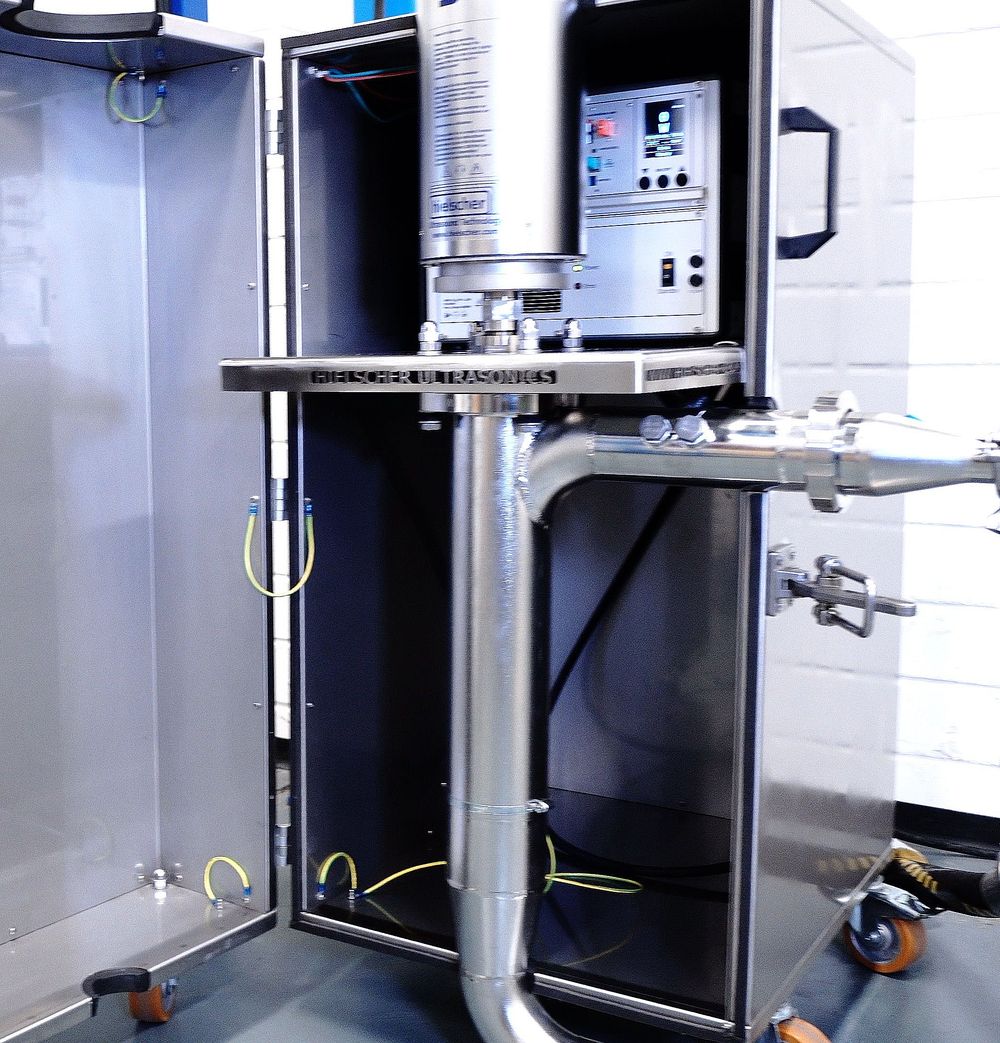 Sonication, also known as ultrasonic treatment, offers a scientifically relevant and technically attractive method for regenerating and reactivating spent catalysts. By applying high-power ultrasound to catalyst suspensions, intense acoustic cavitation is generated in the liquid medium. The collapse of cavitation bubbles produces localized microjets, shockwaves, shear forces, and highly turbulent micro-mixing. These effects can clean catalyst surfaces, dislodge deposits, improve reagent access to blocked pores, and support chemical leaching or oxidative regeneration processes.
Recent research on spent fluid catalytic cracking catalysts has shown that ultrasonic-assisted regeneration can improve the removal of harmful metals while helping to preserve the zeolite framework and catalyst particle microstructure. Studies have also reported ultrasound-enhanced recovery of metals such as nickel from spent catalysts, with sonication accelerating extraction through the physical and chemical effects of acoustic cavitation.
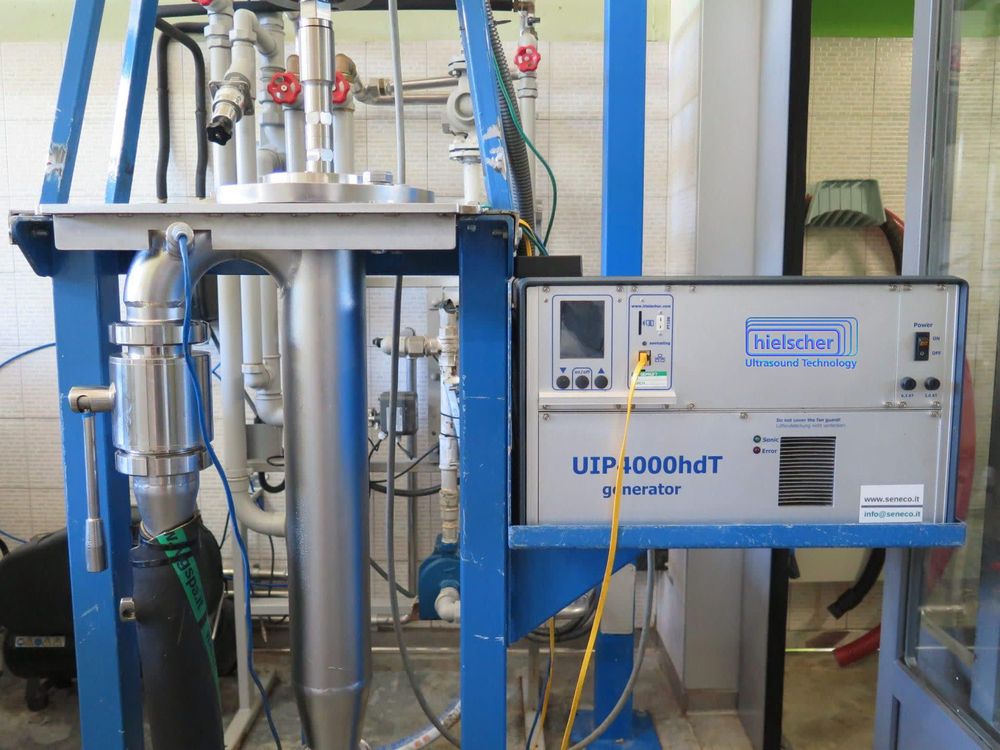
Inline sonicator UIP4000hdT for the industrial regeneration of spent catalysts
Why Sonication Is Effective for Spent Catalyst Reactivation
Sonication-ի գիտական կարևորությունը կայանում է նրա ունակության մեջ՝ ինտենսիվացնելու հետհամադրելի պինդ-հեղուկ գործընթացները։ Կատալիզատորի վերականգնումը հաճախ սահմանափակվում է զանգվածային փոխանցման վատությամբ, փակված ռետիկուլներով, պասիվացված մակերեսներով և Catalist կառուցվածք ներթափանցող մաքրող կամ հովացացնող նյութերի դանդաղ դիտարկմամբ։ Ուլտրաձայնը վերացնում է այս սահմանափակումները մեխանիկական և ֆիզիքա-քիմիական մեխանիզմների միջոցով.
Sonication-ի հիմնական առավելությունները ներառում են:
The relevance of ultrasound is not limited to physical cleaning. In sonochemistry, cavitation can create extreme local conditions and reactive environments, which can assist oxidation, surface modification, or chemical extraction steps. Thereby, ultrasonics can enlarge the active surface of catalysts, reduce fouling of solid dispersed catalysts and contribute to cleaning during catalyst recycling processes.
Industrial Relevance: From Catalyst Cleaning to Functional Reactivation
Spent catalyst reactivation is more than a maintenance operation. It is a scientifically significant route to improving catalyst lifecycle performance. A regenerated catalyst must not only look clean; it must recover meaningful catalytic function. This requires restoration of accessible active sites, surface acidity or basicity, porosity, dispersion, and reaction performance.
Ultrasonic treatment is relevant because it acts at several critical levels of catalyst regeneration:
Surface: It removes passivating layers and exposes active sites.
Pores: It supports the reopening of blocked mesopores and micropores.
Particles: It disperses agglomerates and improves suspension homogeneity.
Process: It intensifies liquid-solid contact and improves the efficiency of chemical regeneration media.
Կայունություն: It supports reuse, metal recovery, and waste minimization.
 A recent study on ultrasonic and oxidation regeneration of spent Fluid Catalytic Cracking (FCC) catalysts reported that ultrasound-assisted advanced oxidation processes increased catalyst acidity and enabled the regenerated catalyst to be used in glycerol monostearate synthesis. (cf. Anggoro et al, 2026)
Another study demonstrated the immersion in dilute sulfuric acid and subsequent ultrasonically-assisted leaching in a mixture of sulfuric acid and oxalic acid improves the removal of harmful metals in spent FCC catalyst significantly without destroying the zeolite Y framework and the microstructure of spent catalyst particle. Compared with conventional leaching, ultrasonic assisted leaching only needs 1/4 of the time to achieve much the same harmful metal removal effect and has superior advantages in retaining the integrity of particles. (cf. Wang et al, 2021).
Sonication in Catalyst Recycling and Metal Recovery
Spent catalysts often contain valuable metals such as nickel, vanadium, molybdenum, cobalt, platinum-group metals, or rare metals, depending on the catalyst type and industrial application. Sonication can support both catalyst reactivation and resource recovery. In ultrasonic-assisted leaching, cavitation improves penetration of the leaching solution, removes boundary layers around particles, and exposes fresh surfaces for reaction.
This makes ultrasound particularly interesting for:
- Refinery spent catalysts
- FCC catalysts
- Hydrotreating and hydrodesulfurization catalysts
- Fischer-Tropsch կատալիզատորներ
- Supported metal catalysts
- Environmental catalysts
- Activated carbon and adsorbent-catalyst systems
- Metal-contaminated or fouled heterogeneous catalysts

Sonicator UP400St հոսքի բջիջների կարգավորմամբ
Technical Advantages of Hielscher Sonicators for Spent Catalyst Recycling
Hielscher high-power sonicators are well suited for the recycling and reactivation of spent catalysts because they deliver controlled, reproducible, and scalable ultrasonic energy into liquid-solid suspensions. For catalyst regeneration, process reliability is essential: amplitude, power input, residence time, flow rate, temperature, pressure, and reactor geometry must be adjustable and reproducible from laboratory trials to industrial throughput.
Hielscher offers ultrasonic systems from compact laboratory devices to industrial units, including probe-type sonicators and flow-through ultrasonic reactors for continuous processing. Hielscher sonicators range from small lab units to industrial processors such as 500 W, 1,000 W, 2,000 W, 4,000 W, 6,000 W, and 16,000 W devices, enabling scale-up from feasibility testing to production-level catalyst treatment.
For spent catalyst recycling, the technical advantages include:
- High-intensity probe sonication for effective cavitation in abrasive catalyst slurries
- Flow-through reactor options for continuous regeneration, leaching, washing, or dispersion processes
- Precise amplitude control for reproducible process conditions
- Սկալայացվող սարքավորումների ճարտարապետություն լաբորատոր փորձարկումներից մինչև արդյունաբերական կատալիզատորի վերամշակում
- Չափազանց դիմացկուն արդյունաբերական դիզայն պահանջկոտ քիմիական պրոցեսների միջավայրերի համար
- Սոնոէջեկտիվ գործընթացների հետ համատեղելիություն, օրինակ՝ թթվային հոսանք, օքսիդատիվ մաքրում, մարում և մակերեսի ակտիվացում
Այս հատկությունները հիելշեր սոնիկատորները դարձնում են պրակտիկ տեխնոլոգիական հարթակ այն ընկերությունների և հետազոտական հաստատությունների համար, որոնք զարգացնում են առաջադեմ կատալիզատորի վերականգնման պրոտոկոլներ, անկախ նրանից նպատակն է վերականգնել կատալիտիկ ակտիվությունը, հանվել արժեքավոր մետաղները, նվազեցնել չհաստատված նյութի ծավալը կամ բարելավել կատալիտիկ արտադրության կայունությունը

Ուլտրաձայնային համասեռացնող UIP2000hdT for catalyst regeneration in a flow-through process
A Sustainable Technology for the Circular Catalyst Economy
As industries move toward cleaner production and resource efficiency, spent catalyst management is becoming a strategic priority. Sonication supports this transition by making catalyst reactivation faster, more efficient, and more technically controllable. Instead of treating spent catalysts as waste, ultrasonic processing helps transform them into reusable materials or valuable secondary raw-material sources.
The industrial relevance of sonication lies in its ability to combine mechanical activation, surface cleaning, dispersion, and mass-transfer intensification in one process. For industrial users, the advantage is equally clear: improved catalyst reuse, reduced raw-material consumption, lower waste generation, and potentially lower operating costs.
Take Advantage of Ultrasonic Catalyst Regeneration
 Reactivation of spent catalysts using sonication is an advanced approach to catalyst recycling with strong scientific and industrial potential. Acoustic cavitation enables the removal of deposits, the reopening of blocked pores, the improvement of mass transfer, and the intensification of chemical regeneration steps. When combined with suitable leaching, oxidation, washing, or thermal strategies, ultrasonic treatment can contribute to restoring catalyst activity and recovering valuable metals.
Բարձր ուժի սոնիկատորների և արդյունաբերական ուլտրաձայնային հոսքային ռեակտորների շնորհիվ, Hielscher-ը ապահովում է տեխնիկական հիմքը հուսալի, կրկնօրինակելի և արդյունավետ ծախսված каталիստերի վերականգնման գործընթացների զարգացման համար: Երբ каталիստերի վերամշակումը ավելի և ավելի կարևոր է դառնում կայուն քիմիայի և շրջանառվող արդյունաբերական արտադրության համար, սոնիկացիան դառնում է հզոր գործիք каталիստերի հարմարեցված կյանքը երկարացնելու և ռեսուրսների արդյունավետությունը բարելավելու համար.
Ստորև բերված աղյուսակը ցույց է տալիս մեր ուլտրաձայնային սարքերի մոտավոր մշակման հզորությունը.
| Խմբաքանակի ծավալը | Հոսքի արագություն | Առաջարկվող սարքեր |
|---|---|---|
| 1-ից 500 մլ | 10-ից 200 մլ / րոպե | UP100H |
| 10-ից 2000 մլ | 20-ից 400 մլ / րոպե | UP200Ht, UP400 Փ |
| 0.1-ից 20լ | 0.2-ից 4լ/րոպե | UIP2000hdT |
| 10-ից 100 լ | 2-ից 10 լ / րոպե | UIP4000hdT |
| 15-ից 150 լ | 3-ից 15 լ / րոպե | UIP6000hdT |
| ԱԺ | 10-ից 100 լ / րոպե | UIP16000hdT |
| ԱԺ | ավելի մեծ | կլաստերի UIP16000hdT |
Դիզայն, արտադրություն և խորհրդատվություն – Որակյալ Արտադրված է Գերմանիայում
Hielscher ուլտրաձայնային սարքերը հայտնի են իրենց բարձր որակի և դիզայնի չափանիշներով: Հզորությունը և հեշտ շահագործումը թույլ են տալիս մեր ուլտրաձայնային սարքերի սահուն ինտեգրումը արդյունաբերական օբյեկտներում: Կոպիտ պայմանները և պահանջկոտ միջավայրերը հեշտությամբ կառավարվում են Hielscher ուլտրաձայնային սարքերի կողմից:
Hielscher Ultrasonics-ը ISO սերտիֆիկացված ընկերություն է և հատուկ շեշտադրում է կատարում բարձր արդյունավետության ուլտրաձայնային սարքերի վրա, որոնք բնութագրվում են ժամանակակից տեխնոլոգիաներով և օգտագործողների համար հարմարավետությամբ: Իհարկե, Hielscher ուլտրաձայնային սարքերը համապատասխանում են ԵԽ-ին և համապատասխանում են UL, CSA և RoH-ների պահանջներին:

Hielscher Ultrasonics-ը արտադրում է բարձր արդյունավետության ուլտրաձայնային հոմոգենիզատորներ՝ լաբորատոր, փորձնական և արդյունաբերական մասշտաբով կիրառական կիրառությունների խառնուրդի, ցրման, էմուլսացման և արդյունահանման համար:
Հաճախակի տրվող հարցեր
Ի՞նչ է каталիստը?
Каталիստը մի նյութ է, որն արագացնում է քիմիական ռեակցիան՝ նվազեցնելով ակտիվացման էներգիան, առանց ստոխիոմետրիկ կերպով սպառվելու ռեակցիայի ընթացքում: Այն ապահովում է այլընտրանքային ռեակցիայի ուղի և հաճախ կարող է կրկին օգտագործվել.
Ի՞նչ է ծախսված каталիստը?
A spent catalyst is a catalyst that has lost part or all of its catalytic activity, selectivity, or stability after use. Deactivation may result from fouling, coke deposition, poisoning, sintering, leaching, or structural degradation.
What is a Spent FCC Catalyst?
A spent FCC catalyst is a deactivated catalyst from the fluid catalytic cracking process in petroleum refining. FCC catalysts are typically zeolite-based materials used to crack heavy hydrocarbons into lighter products such as gasoline, olefins, and LPG. They become spent due to coke formation, metal contamination, hydrothermal degradation, and loss of acidity or surface area.
How do Catalysts get Consumed?
Կատալիզատորները իդեալական ստոիքիոնոմերիկ իմաստով չեն սպառվում, բայց դրանք կարող են ապակտիվացվել կամ ֆիզիկապես կորցվել գործողության ընթացքում։ Ընդհանուր մեխանիզմներն են:
- Ողբերգություն՝ հատկական նյութերի անփոխարեն adsorbացիա ակտիվ վայրերում։
- Մաքրման/կոքինգ՝ ածխային նյութի նստվածքը խցանում է անցքերն ու ակտիվ վայրերը։
- Սինտերացում՝ բարձր ջերմաստիճանները ակտիվ մասնիկներին հասցնում են կլաստերիզացվել, նվազեցնելով մակերևույթի տարածությունը։
- Լվացում՝ ակտիվ բաղադրիչները լուծվում են ռեակցիոն միջավայրում։
- Նրբամատչում՝ մեխանիկական քայքայումն կոտրում է կատալիզատորի մասնիկները, հատկապես հեղուկացված մահճակալներում։
- Փուլի վերափոխում՝ կատալիզատորի կառուցվածքը փոխվում է ավելի պասիվ ձևի։
Որո՞նք են կատալիզատորների չորս տեսակները։
Չորս սովորաբար առանձնացվող տեսակներն են՝
Գրականություն / Հղումներ
- Darbandi, M., Moghaddasfar, A., Eynollahi, M. et al. (2025): Sustainable approach with enhanced removal performance of organic pollutant for wastewater treatment by ultrasonically regenerated mesoporous nickel oxide nanoparticles. Int. J. Environ. Sci. Technol. 22, 3495–3504 (2025).
- Anggoro D.D., Buchori L., Rinaldi N., Silviana S., Le Monde B.U., Putra M.F., Zainol, M.M. (2026): Hybrid Ultrasound and Advanced Oxidation Process Regeneration of Spent FCC Catalysts: Optimization and Their Catalytic Performance. Journal of Engineering and Technological Sciences, 58(2), 227–242.
- Xin Pu, Jin-ning Luan, Li Shi (2012): Reuse of Spent FCC Catalyst for Removing Trace Olefins from Aromatics. Bulletin of Korean Chemical Society 2012, Vol. 33, No. 8.
- բարձր արդյունավետություն
- գերժամանակակից տեխնոլոգիա
- հուսալիություն & ամրություն
- կարգավորելի, ճշգրիտ գործընթացի վերահսկում
- խմբաքանակ & ներդիր
- ցանկացած ծավալի համար
- խելացի ծրագրակազմ
- խելացի գործառույթներ (օրինակ՝ ծրագրավորվող, տվյալների արձանագրություն, հեռակառավարում)
- հեշտ և անվտանգ գործելու համար
- ցածր սպասարկում
- CIP (մաքուր տեղում)
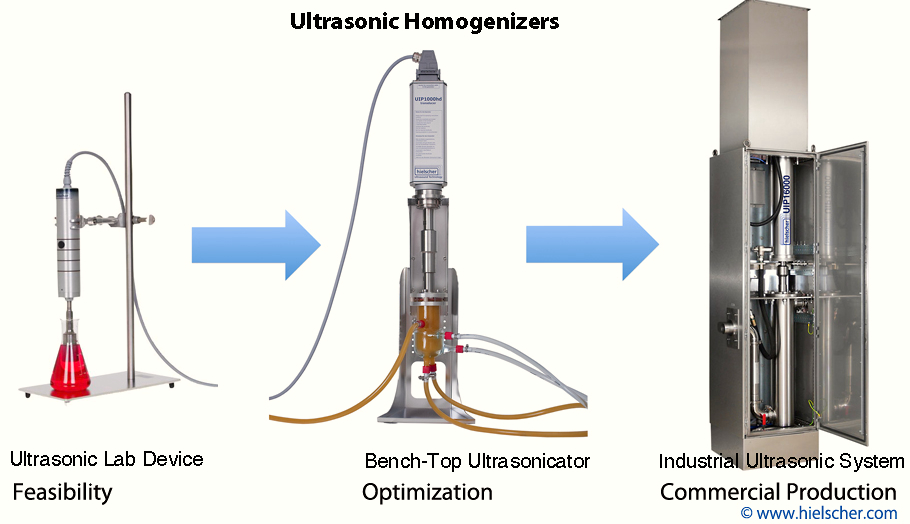
Hielscher Ultrasonics-ը արտադրում է բարձր արդյունավետության ուլտրաձայնային հոմոգենիզատորներ լաբորատորիա դեպի արդյունաբերական չափս.