Ուլտրաձայնականորեն աջակցված Սաբատե ռեակցիա՝ CO₂-ի արդյունավետ վերածում հիդրոածխվածքների
Էներգետիկ ուլտրաձայնը նորարարական միջոց է Սաբատե ռեակցիան ինտենսիվացնելու համար՝ ոտնահարվելով CO₂-ի հիդրոգենացման միջոցով ակուստիկ կավիտացիայի: Սա հնարավորություն է տալիս ածխաթթված գազի արդյունավետ վերածում մեթանի և բարձրագույն հիդրոածխվածքների մեղմ պայմանների ներքո, ինչպիսիք են սովորական ջերմաստիճանը և ճնշումը: Արդյունքում, ուլտրաձայնորեն աջակցված CO₂-ի փոխակերպումը խոստումնալից մոտեցում է կայուն վառելիքի արտադրության, ածխածնի օգտագործման և վերականգնվող էներգիայի պահպանումի համար.
Էներգետիկ ուլտրաձայնը բացում է նոր ճանապարհներ ածխաթթված գազի օգտագործման համար
The conversion of carbon dioxide into valuable hydrocarbons is becoming one of the most important technological challenges in the transition toward a circular carbon economy. Instead of treating CO₂ only as an emission problem, advanced chemical processes increasingly aim to use it as a carbon feedstock for synthetic fuels, methane, ethylene, ethane and other energy-rich compounds.
One particularly promising route is the ultrasonically assisted Sabatier reaction, also known as the sono-Sabatier process. By applying high-power ultrasound to CO₂-containing liquid media, the reaction environment can be intensified without relying exclusively on conventional high-temperature, high-pressure catalytic systems.
Կլասիկ Սաբարյեի ռեակցիան նկարագրում է կարբոնատթունի ջրածնումացումը մեթան և ջուր ստանալու համար։ Այն գրավում է նոր ուշադրություն `հզորությունից գազ ստանալու, սինթետիկ բնական գազի արտադրության, վերականգնվող էներգիայի պահեստավորման և նույնիսկ տիեզերական կիրառությունների համար իր կարևորության պատճառով։

Sonicator UIP2000hdT ավելացնում է զանգվածային փոխանակումը և ուժեղացնում քիմիական ռեակցիաները
Ինչու է կարևոր սոնիկացիան CO₂ փոխակերպման մեջ
Sonication introduces energy into liquids through acoustic cavitation. During cavitation, microscopic bubbles form, grow and collapse violently. These localized collapse events generate extreme micro-environments with very high transient temperatures, pressures, turbulence and radical formation, while the bulk liquid can remain at comparatively mild conditions.
In the context of CO₂ reduction, this means that power ultrasound can activate chemical pathways that are otherwise difficult to achieve under ambient conditions. Experimental work on sonochemical CO₂ conversion has shown that ultrasound applied to CO₂-saturated water, sodium chloride solution and synthetic seawater can produce hydrocarbons such as methane, ethylene and ethane, along with significant amounts of carbon monoxide that may subsequently be converted into methane.
This is industrially relevant because it points toward a process intensification strategy: instead of increasing only temperature, pressure or catalyst complexity, ultrasound can improve reaction conditions through physical energy input.
Key Advantages of the Ultrasonically-Assisted Sabatier Reaction
Sono-Sabatier պրոցեսը առաջարկում է մի շարք առավելություններ, որոնք այն դարձնում են շատ գրավիչ ապագա CO₂ հանդերձարանային տեխնոլոգիաների համար:
- Թեթև գործիքային պայմաններ: Էլեկտրական ուլտրաձայնը կարող է հնարավորություն տալ CO₂-ի փոխարկումը սենյակային ջերմաստիճանում և մթնոլորտային ճնշման տակ, նվազեցնելով էներգատար ջերմային աշխատանքների կարիքը.
- Ակտիվային նյութերի բաց ռեակցիայի հնարավորություն: Սոնոքիմիական CO₂ փոխարկման ուսումնասիրությունները ցույց են տվել, որ հիդրոկարբոնները կարող են ձևավորվել ուլտրաձայնի ազդեցությամբ նույնիսկ առանց սովորական կատալիզատորների, հեշտացնելով պրոցեսի նախագծումը և նվազեցնելով կատալիզատորների հետ կապված ծախսերը.
- Աշխատատար հիդրոկարբոնների ձևավորում: Մեթանը հիմնական նպատակային արտադրանքն է, բայց նաև հնարավոր է արտադրել էթիլեն և էթան, ընդլայնելով վարդագույն բնական գազից դուրս արժեքային շղթան:
- Հիդրոգենի հետ ինտեգրում: Replacing an inert gas atmosphere with molecular hydrogen can significantly improve the sono-Sabatier process, increasing the availability of hydrogen for CO₂ hydrogenation and methanation.
- Possible coupling with reverse water-gas shift chemistry: The formation of carbon monoxide indicates that reverse water-gas shift reactions may occur under sonication. CO can then act as an intermediate for further hydrogenation to methane or higher hydrocarbons.
- Potential Fischer-Tropsch-type pathways: In hydrogen-rich systems, carbon monoxide and hydrogen may participate in Fischer-Tropsch-type chemistry, supporting the formation of higher hydrocarbons such as ethylene and ethane. Conventional Fischer-Tropsch chemistry is widely known as a route from CO/H₂ syngas to hydrocarbons.
- Բարձրացած բերքատվություն աղային միջավայրերում: Աղի պարունակության ավելացումը, օրինակ՝ ծովի ջրում կամ սինթետիկ ծովի ջրում, կարող է բարելավել սոնո-Սաբատիեի գործընթացը: Ներկառուցված տեղեկությունները ցույց են տալիս, որ ծովի նման պայմանները կարող են բարձրացնել հիդրօկարբոնների բերքատվությունը մոտ 40%-ով:
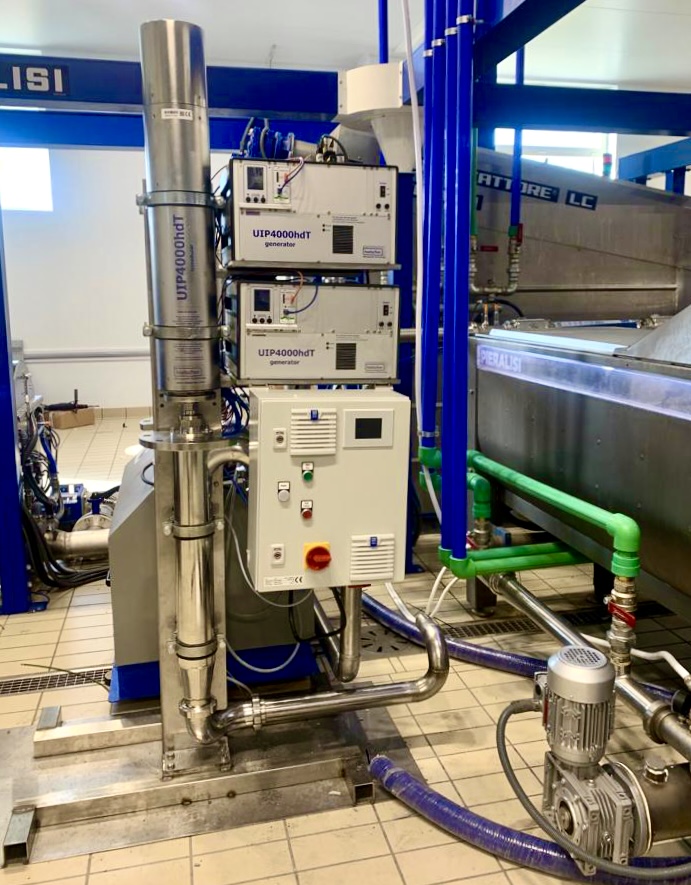
ուժային ուլտրաձայնային – 2x UIP4000hdT սոնիկատորներ հոսքի բջիջներով շարունակական ինտեգրացված գործողության համար
Ծովի ջրածը որպես ֆունկցիոնալ ռեակցիա միջավայր
Սոնիկային աջակցությամբ իրականացվող Սաբատիեի ռեակցիայի առանձնահատուկ գրավիչ կողմերից մեկն աղ պարունակող ջրի բարենպաստ ազդեցությունն է: CO₂-ով հագեցած մաքուր ջրում, նատրիումի խլորիդի լուծույթում և սինթետիկ ծովի ջրում՝ ուլտրաձայնը կարող է առաջացնել CO₂-ի փոխակերպումը մետանի, էթիլենի, էթանի և ածխածնի մոնօքսիդի:
Աղային լուծույթների օգտագործումը կարևոր է արդյունաբերական մասշտաբայնության համար։ Ծովաջուրը հանդերձարան է, մատչելի և ամբողջ աշխարհում հասանելի է։ Եթե աղային միջավայրերը կարող են բարելավել հիդրոգենների ձևավորումը, գործընթացը կարող է հատկապես գրավիչ դառնալ ափամերձ արդյունաբերական տարածքների, ծովի էներգիայի օֆշորային կենտրոնների և ծովաջրի պայմաններում գտնվող ածխաթթվային գազի բռնագրման և օգտագործման համակարգերի համար։
Գործնական առումով սա նշանակում է, որ սոնո-Սաբատյեի գործընթացը կարելի է ուսումնասիրել որպես համակարգի մաս, որը համատեղում է՝
- արդյունաբերական արտանետումների կամ ուղղակի օդից ածխաթթու գազի բռնագրման արդյունքը
- էլեկտրոլիզով ստացված obnovի ջրածին
- պատճառիչ միջավայր որպես ծովաջր կամ աղաջուր
- փորձի ինտենսիվացման տեխնոլոգիայի համար ultrasound էներգիա
- արտադրյալ գազերի տարբերակ և հիդրոկարբոնների բարելավում
Արդյունաբերական նշանակություն՝ CO₂-ի վերածում սինթետիկ վառելիքների և քիմիական մթերքի նյութերի
Efficient CO₂ conversion into hydrocarbons is not only a laboratory objective. It is directly connected to the future of renewable fuels, synthetic natural gas, chemical manufacturing and energy storage.
Methane produced from CO₂ and renewable hydrogen can serve as synthetic natural gas. One advantage of synthetic methane is that it can potentially use existing gas infrastructure, including storage facilities, pipelines and gas-fired industrial equipment.
Ethylene and ethane add further industrial relevance. Ethylene is one of the most important platform chemicals in the petrochemical industry, while ethane can be used as a fuel or as a feedstock for steam cracking. Therefore, a sonochemical process that forms not only methane but also C₂ hydrocarbons could become valuable for both fuel production and chemical synthesis.
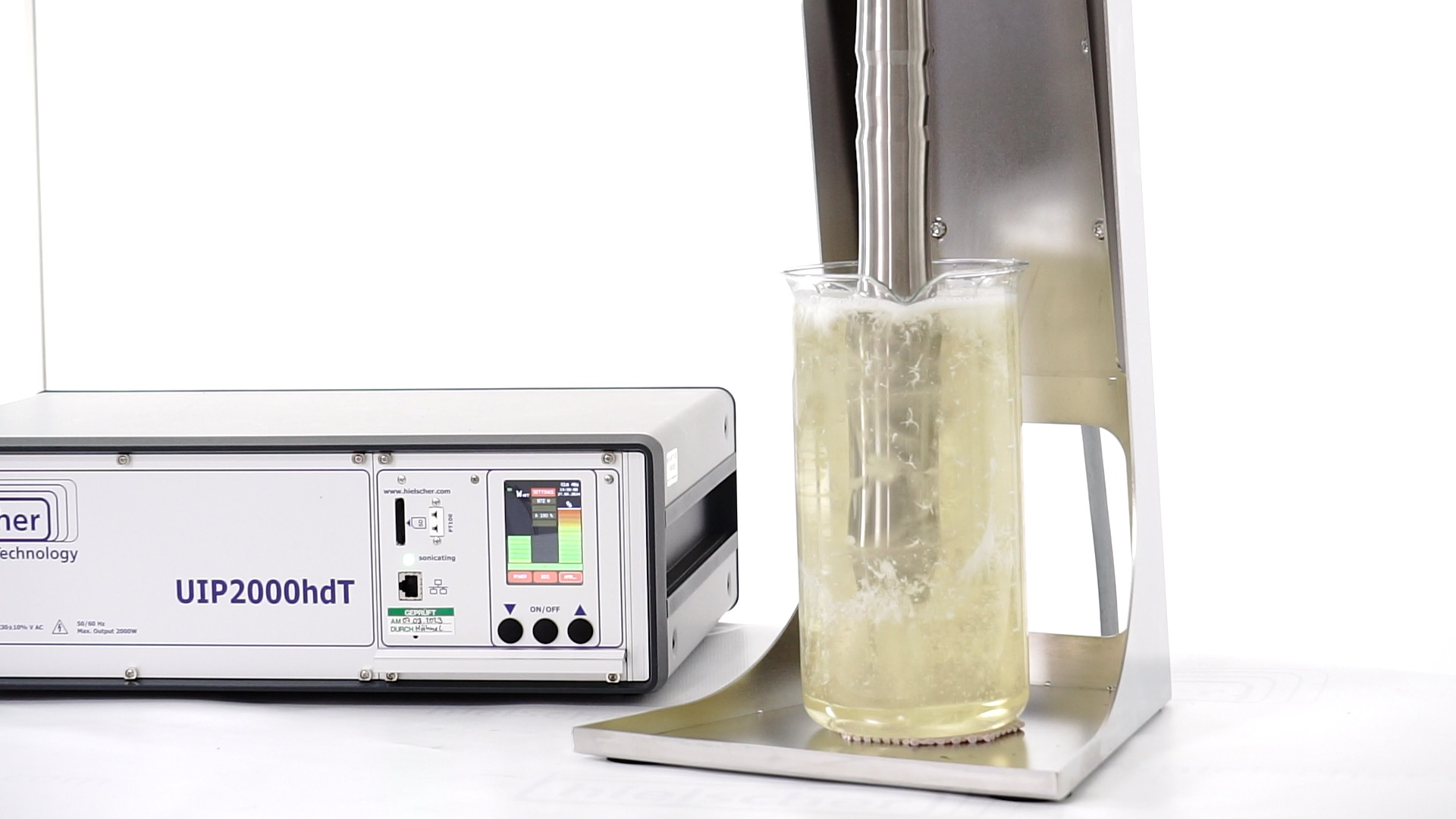
Acoustic cavitation at the Sonicator UIP2000hdT
The ultrasonically assisted Sabatier reaction is especially relevant for sectors that need carbon-based molecules but want to reduce fossil carbon dependence. These include:
- power-to-gas and renewable methane production,
- carbon capture and utilization,
- synthetic fuel manufacturing,
- կանաչ քիմիական արտադրություն,
- ծովային և ծովեզերքային արդյունաբերական գործընթացներ,
- դեցենտրալացված վառելիքի արտադրություն,
- ջրածնային տնտեսության ենթակառուցվածքներ։

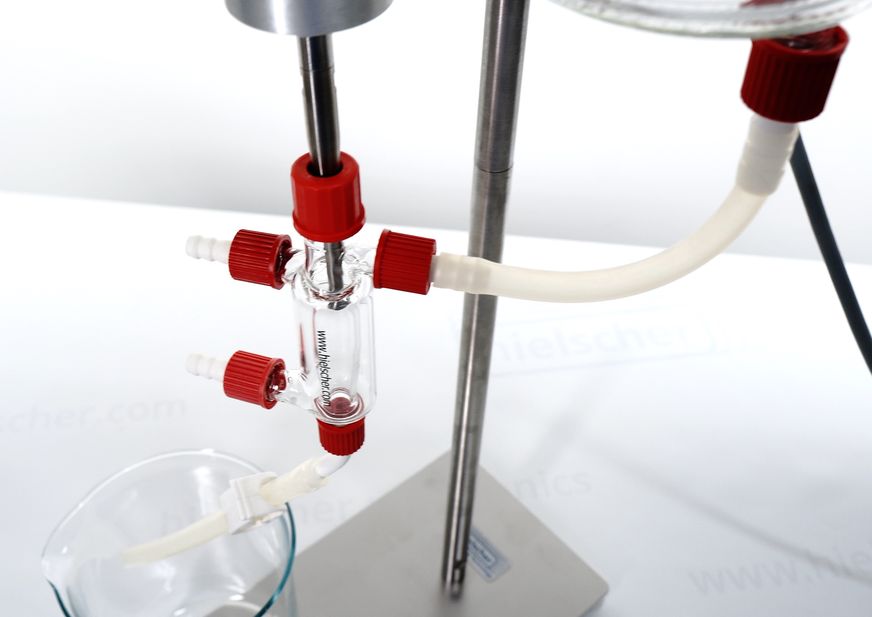
Sonicator UIP2000hdT ճնշվող հոսքի բջջային ռեակտորով
Ինչպես է ալտրաաձայնը բարելավում գործընթացների արդյունավետությունը
Ալտրաաձայնի հիմնական առավելությունը այն չէ, որ այն փոխարինում է քիմիան, այլ այն, որ այն ինտենսիվացնում է այն։ Սոնոքիմիական համակարգերում, կավիտացիան բարելավում է զանգվածի փոխադրման, գազ-մածուկ կոնտակտը և տեղական էներգիայի խտությունը։ Սա շատ կարևոր է CO₂-ի հիդրոգենացման համար, քանի որ գործընթացը ենթադրում է գազեր, որոնք սահմանափակ լուծելիություն ունեն ջրային միջավայրերում։
Հզոր ալտրաաձայնը օգնում է հաղթահարել մի քանի արգելափակումներ՝
- Այն բարելավում է CO₂-ի և ջրածնի լուծումը հեղուկ փուլում։
- Այն ավելացնում է գազային բուլբուլների և ռեակցիայի միջավայրի միջերևույթային մակերեսը։
- Այն ստեղծում է տեղային բարձր էներգետիկ գոտիներ, որտեղ CO₂-ի ակտիվացումը կարող է ավելի նպաստավոր լինել։
- Այն խրախուսում է ռադիկալների և միջանկյալների առաջացումը։
- Այն կարող է աջակցել հաջորդական ռեակցիաներին, օրինակ՝ CO-ի առաջացմանը և մեթանացմանը։
Այս համադրությունը չափազանց գրավիչ է դարձնում sonication-ը կցիկացված և ինտենսիվացված ռեակտորների համար, հատկապես այն վայրերում, որտեղ սովորական ջերմային ռեակտորները չափազանց էներգետիկ ինտենսիվ են, չափազանց դանդաղ կամ չափազանց կախված են թանկարժեք կատալիզատորներից։
Միջանցք CO₂ մեթանացման և համալիր հիդրKarբոնային սինթեզի միջև
The sono-Sabatier process is particularly interesting because it may bridge several important reaction types. The primary target is CO₂ methanation, but carbon monoxide formation indicates a reverse water-gas shift contribution. In hydrogen-rich environments, the resulting CO/H₂ mixture can resemble syngas, which is the basis for Fischer-Tropsch hydrocarbon synthesis.
Read more about the ultrasonic synthesis of Fischer-Tropsch catalysts!
This opens the door to a broader product spectrum. Instead of viewing CO₂ conversion only as methane production, sonication could support the formation of C₁ and C₂ hydrocarbons, and possibly, with further process optimization, higher-value carbon products.
Sonication as Process Intensification in CO₂ Utilization
 Աուլտրասոնիկորեն աջակցվող Սաբատե ռեակցիան դեռ զարգացող տեխնոլոգիա է, բայց դրա առավելություններն ակներեւ են: Այն ապահովում է ճանապարհ `CO₂-ն օգտակար հիդրոկարբոնների վերածելու մեղմ պայմաններում, կարող է օգտվել հիդրոգենի հարուստ ռեժիմից և կարող է հասնել ավելի բարձր արտադրողականության աղով հարուստ միջավայրերում, ինչպես ծովաջրում։
արդյունաբերության համար արժեքային առաջարկը նշանակալի է․ CO₂-ն կարող է վերածվել աղբի հոսանքից մեթան և այլ հիդրոկարբոնների հումքի: Երբ շահագործվում է վերականգնվող էլեկտրաէներգիայով և համակցվում կանաչ հիդրոգենի հետ, սոնո-Սաբատե գործընթացը կարող է նպաստել կայուն վառելիքի արտադրությանը, ածխածնի վերամշակմանը և երկարաժամկետ էներգիայի պահպանումին։

MultiSonoReactor – Ա индуստրիալ ուլտրաձայնային հոսքային ռեակտոր
Որակյալ սոնիկանտներ` Սաբատյե ռեակցիան բարելավելու համար
Ուլտրաձայնով աջակցվող Սաբատյե ռեակցիան ներկայացնում է նորարարական մոտեցում CO₂-ի նվազեցման և հիդրակարբոնների սինթեզի գործում։ Ուժեղ ուլտրաձայն օգտագործելով` CO₂-ով հագեցրած ջուրը և աղային լուծույթները կարող են ակտիվացվել մեղմ պայմաններում, PRODUCING մեթան, էթիլեն, էթան և ածխածնի մոնօքսիդ միջանկյալներ։ Մոլեկուլային ջրածնի հավելումը զգալիորեն ուժեղացնում է գործընթացը, իսկ աղի պարունակության մեծացումը կարող է էլ ավելի բարելավել հիդրակարբոնների արդյունքի տրվածությունը։
Քանի որ արդյունաբերությունները փնտրում են CO₂-ը վառելիքի եւ քիմիական հումքի վերածելու մասշտաբային ուղիներ, sonication- ը խոստումնալից ուղի է առաջարկում: Այն համատեղում է գործընթացի ինտենսիվացումը, մեղմ ռեակցիայի պայմանները եւ համատեղելիությունը վերականգնվող ջրածնի հետ – երեք առանձնահատկություններ, որոնք կարող են դարձնել sono-Sabatier գործընթացը կարեւոր տեխնոլոգիա ապագա ածխածնի օգտագործման համար
Ինչպես ընտրել լավագույն Sonicator ձեր քիմիական ռեակտորի համար
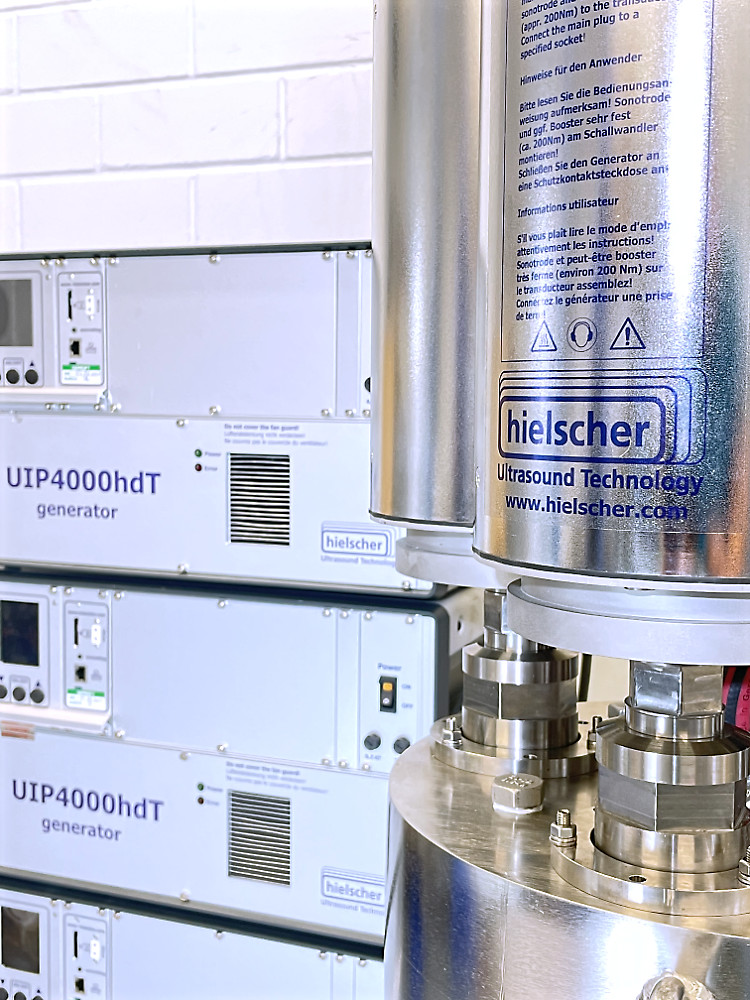 Hielscher sonicators and ultrasonic flow cells provide a robust platform for intensifying the Sabatier reaction by introducing high-power ultrasound directly into CO₂/H₂-containing liquid or slurry streams. In a sono-Sabatier process, the ultrasonic flow cell acts as a controlled cavitation zone, where gas dispersion, interfacial mass transfer, catalyst wetting, and local reaction activation are significantly enhanced. This makes Hielscher ultrasonic systems suitable for integration into slurry bed reactors, where suspended catalyst particles can be continuously exposed to intense cavitation, as well as into fluidized bed reactor concepts, where ultrasound can support gas–liquid–solid contact, mixing, and reaction kinetics. Alternatively, ultrasonic flow cells can be installed upstream of membrane reactors to pre-disperse CO₂ and hydrogen, activate the reaction medium, generate reactive intermediates, or improve feed homogenization before selective hydrogen dosing, product separation, or equilibrium shifting in the membrane stage. Thus, Hielscher sonicators can function as modular process-intensification units for laboratory development, pilot-scale optimization, and industrial CO₂-to-hydrocarbon conversion.
Ստորև բերված աղյուսակը ցույց է տալիս մեր ուլտրաձայնային սարքերի մոտավոր մշակման հզորությունը.
| Խմբաքանակի ծավալը | Հոսքի արագություն | Առաջարկվող սարքեր |
|---|---|---|
| 10-ից 2000 մլ | 20-ից 400 մլ / րոպե | UP200Ht, UP400 Փ |
| 0.1-ից 20լ | 0.2-ից 4լ/րոպե | UIP2000hdT |
| 10-ից 100 լ | 2-ից 10 լ / րոպե | UIP4000hdT |
| 15-ից 150 լ | 3-ից 15 լ / րոպե | UIP6000hdT |
| ԱԺ | 10-ից 100 լ / րոպե | UIP16000hdT |
| ԱԺ | ավելի մեծ | կլաստերի UIP16000hdT |
Դիզայն, արտադրություն և խորհրդատվություն – Որակյալ Արտադրված է Գերմանիայում
Hielscher ուլտրաձայնային սարքերը հայտնի են իրենց բարձր որակի և դիզայնի չափանիշներով: Հզորությունը և հեշտ շահագործումը թույլ են տալիս մեր ուլտրաձայնային սարքերի սահուն ինտեգրումը արդյունաբերական օբյեկտներում: Կոպիտ պայմանները և պահանջկոտ միջավայրերը հեշտությամբ կառավարվում են Hielscher ուլտրաձայնային սարքերի կողմից:
Hielscher Ultrasonics-ը ISO սերտիֆիկացված ընկերություն է և հատուկ շեշտադրում է կատարում բարձր արդյունավետության ուլտրաձայնային սարքերի վրա, որոնք բնութագրվում են ժամանակակից տեխնոլոգիաներով և օգտագործողների համար հարմարավետությամբ: Իհարկե, Hielscher ուլտրաձայնային սարքերը համապատասխանում են ԵԽ-ին և համապատասխանում են UL, CSA և RoH-ների պահանջներին:
Հաճախակի տրվող հարցեր
Ինչ է կենսավառելիքը?
Կենսավառելիքները օրգանական քիմիական միացություններ են, որոնք բաղկացած են բացառապես ածխածինից և ջրածնից: Նրանք կազմում են հանածո վառելիքների, բազմաթիվ սինթետիկ վառելիքների և արդյունաբերական օրգանական քիմիայում օգտագործվող բազմաթիվ քիմիական հումքի կառուցվածքային հիմքը:
Ինչպիսի տեսակներ կան կենսավառելիքների?
The main types of hydrocarbons are aliphatic, cyclic, and aromatic hydrocarbons. Aliphatic hydrocarbons include saturated alkanes, which contain only single carbon-carbon bonds, and unsaturated alkenes and alkynes, which contain double or triple bonds. Cyclic hydrocarbons contain carbon atoms arranged in ring structures, while aromatic hydrocarbons contain stable conjugated ring systems such as benzene. Hydrocarbons can also be classified as saturated or unsaturated depending on whether they contain only single bonds or multiple bonds.
What are Hydrocarbons used for?
Hydrocarbons are used primarily as fuels, chemical feedstocks, solvents, lubricants, waxes, and raw materials for plastics, polymers, resins, synthetic rubber, detergents, and specialty chemicals. Methane, ethane, propane, gasoline, diesel, jet fuel, ethylene, benzene, and paraffin waxes are all industrially important hydrocarbon products.
Why is Low-Frequency Ultrasound More Powerful in Sonochemistry?
Low-frequency ultrasound is more powerful in sonochemistry because it produces larger cavitation bubbles that collapse more violently. These intense bubble implosions generate localized high temperatures, high pressures, shock waves, microjets, turbulence, and radical formation, which strongly enhance chemical reactions, mass transfer, emulsification, particle disruption, and surface activation.
What is the Difference between Low-Frequency and High-Frequency Ultrasound?
The main difference between low-frequency and high-frequency ultrasound is the intensity and character of cavitation. Low-frequency ultrasound, typically around 20 to 30 kHz, produces strong cavitation and is therefore widely used for sonochemistry, dispersion, emulsification, extraction, degassing, and ultrasonic homogenization. High-frequency ultrasound produces smaller, less violent cavitation events and is more suitable for diagnostic or analytical applications such as medical imaging, where controlled wave propagation and high spatial resolution are more important than mechanical or chemical process intensification.
Գրականություն / Հղումներ
- Md Hujjatul Islam, Odne S. Burheim, Jean-Yves Hihn, Bruno.G. Pollet (2021): Sonochemical conversion of CO2 into hydrocarbons: The Sabatier reaction at ambient conditions. Ultrasonics Sonochemistry, Volume 73, 2021.
- Atlaskina, M.; Markin, Z.; Smorodin, K.; Kryuchkov, S.; Tsivkovsky, N.; Petukhov, A.; Atlaskin, A.; Kazarina, O.; Vorotyntsev, A.; Vorotyntsev, I. (2025): Optimized CO2 cycloaddition to epichlorohydrin catalyzed by ionic liquid with microwave and ultrasonic irradiation. International Journal of Technology, vol. 16, no. 2, 2025. 378-394.
- Quang Thang Trinh, Nicholas Golio, Yuran Cheng, Haotian Cha, Kin Un Tai, Lingxi Ouyang, Jun Zhao, Tuan Sang Tran, Tuan-Khoa Nguyen, Jun Zhang, Hongjie An, Zuojun Wei, Francois Jerome, Prince Nana Amaniampong, Nam-Trung Nguyen (2025): Sonochemistry and sonocatalysis: current progress, existing limitations, and future opportunities in green and sustainable chemistry. Green Chemistry, Issue 18, 2025.
- Marina Cortés-Reyes;Ibrahim Azaoum; Sergio Molina-Ramírez; Concepción Herrera; M. Ángeles Larrubia; Luis J. Alemany (2021): NiGa Unsupported Catalyst for CO2 Hydrogenation at Atmospheric Pressure. Tentative Reaction Pathways. Industrial & Engineering Chemistry Research 2021, 60, 51, 18891–18899.

Մանո-թերմո-ձայնացման համար պատված, սեղմելի ուլտրաձայնային հոսքային բջջային ռեակտորներ
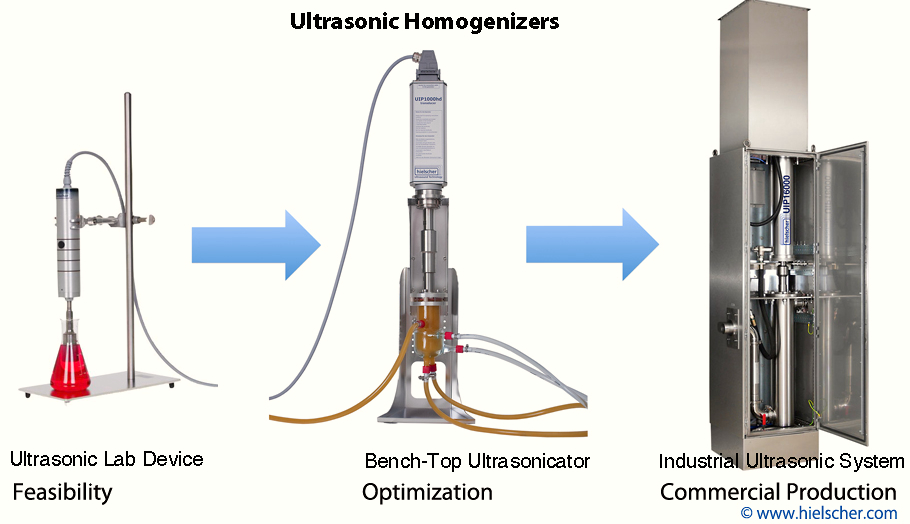
Hielscher Ultrasonics-ը արտադրում է բարձր արդյունավետության ուլտրաձայնային հոմոգենիզատորներ լաբորատորիա դեպի արդյունաբերական չափս.