مفاعلات السرير الثابت المكثفة بالموجات فوق الصوتية
يمكن أن يؤدي المعالجة بالموجات فوق الصوتية إلى تحسين التفاعلات التحفيزية في المفاعلات ذات الطبقة الثابتة، وذلك بشكل أساسي من خلال تكثيف انتقال الكتلة حول وداخل طبقة المحفز المعبأة. بالإضافة إلى ذلك، تعمل المعالجة بالموجات فوق الصوتية على إزالة طبقات التخميل والتلوث من سطح المحفز، مما يؤدي إلى تجديد المحفز بشكل مستمر.
كيف يساهم المعالجة بالموجات فوق الصوتية في تحسين عملية التحفيز الكيميائي في القاعدة الثابتة
في المفاعل ذي الطبقة الثابتة، تظل جزيئات المحفز ثابتة في مكانها بينما تتدفق المواد المتفاعلة السائلة أو الغازية أو متعددة الأطوار عبر الطبقة. وغالبًا ما يكون أداء التفاعل محدودًا بسبب انتقال الكتلة الخارجي، والانتشار عبر المسام، والتوجيه، والتلوث، وتدرجات نقل الحرارة. يمكن للموجات فوق الصوتية أن تقلل من العديد من هذه القيود من خلال توليد التجويف الصوتي، والتدفقات الدقيقة، وقوى القص، وتذبذبات الضغط.

سونياتور UIP2000hdT مُدمج في مفاعل ذي طبقة ثابتة
الآثار الرئيسية للتفاعلات ذات القاعدة الثابتة المعززة بالموجات فوق الصوتية
- تحسين انتقال الكتلة الخارجي: تعمل تقنية التدفق المجهري بالموجات فوق الصوتية على تقليل الطبقة الحدودية الراكدة المحيطة بجزيئات المُحفِّز، مما يتيح للمتفاعلات الوصول إلى المواقع النشطة بكفاءة أكبر.
- تحسين إمكانية الوصول إلى المسام: يمكن أن تؤدي تقلبات الضغط وحركة السائل الناتجة عن التكهف إلى تحسين تغلغل المواد المتفاعلة في مسام المحفز وإزالة النواتج من تلك المسام.
- الحد من التلوث والتخميل: يمكن أن تساعد المعالجة بالموجات فوق الصوتية في إزالة الترسبات، والأغشية البوليمرية، ومواد أولية لتكوين الكوك، أو أي طبقات أخرى مسببة للتخميل من أسطح المحفزات، مما يساهم في الحفاظ على النشاط التحفيزي لفترة أطول.
- تقليل التوجيه في الطبقات المعبأة: في الدراسات التي أُجريت على الطبقات المعبأة بشكل دقيق، تبين أن الموجات فوق الصوتية تُغير سلوك التدفق وتقلل من التشتت، مما يساعد المفاعل على الاقتراب أكثر من سلوك التدفق السدادي المثالي.
- نقل الحرارة المحسّن: يسهم التدفق الصوتي والاضطراب في تحسين عملية تبديد الحرارة محليًّا، مما يقلل من ظهور النقاط الساخنة أو المناطق الباردة في طبقة المحفز.
- زيادة معدل التحويل والعائد: من خلال تحسين انتقال الكتلة وإمكانية وصول المحفز، يمكن أن يؤدي استخدام الموجات فوق الصوتية إلى زيادة معدل التفاعل، ومعدل التحويل، وعائد المنتج، لا سيما عندما يكون التفاعل مقيدًا بعوامل النقل وليس مقيدًا من الناحية الحركية البحتة.
تحسين التلامس بين السائل والصلب: تساعد الموجات فوق الصوتية على تحسين ترطيب جزيئات المُحفز، وهو أمر مفيد بشكل خاص في أنظمة الطبقة المتدفقة، أو الأنظمة التي تُغذى بالملاط، أو أنظمة الطبقة الثابتة ذات الطور السائل.
كيف تعمل المعالجة بالموجات فوق الصوتية على تحسين عملية التحفيز الكيميائي في القاعدة الثابتة؟
الآلية الرئيسية هي التكهف الصوتي: حيث تُحدث الموجات فوق الصوتية فقاعات مجهرية تنمو ثم تنهار بعنف. ويؤدي انهيارها إلى توليد قص محلي، ونفاثات دقيقة، وموجات صدمية، وخلط مكثف. وبالقرب من أسطح المحفزات، يمكن لهذه التأثيرات تنظيف السطح الفاصل بين المادة الصلبة والسائلة وتنشيطه وتجديده. وتصف الدراسات الاستعراضية حول التحفيز الصوتي هذه الظاهرة بأنها تآزر بين الموجات فوق الصوتية والمحفزات الصلبة، ويشمل ذلك تحسين نقل الحرارة ونقل الكتلة، بالإضافة إلى تأثيرات موضعية على أسطح المحفزات.
يكون استخدام المعالجة بالموجات فوق الصوتية أكثر فائدة عندما تعاني التفاعلات ذات الطبقة الثابتة من:
- الانتشار البطيء داخل مسام المُحفِّز،
- ضعف ترطيب جزيئات المحفز،
- تراكم المنتج داخل المسام،
- التلوث أو تخميل السطح،
- حركيات محدودة بنقل الكتلة،
- التوزيع غير المتكافئ للتدفق متعدد المراحل،
- التدفق عبر الطبقة المعبأة.
محفزات السرير الثابت
عادة ما يتم تحميل الأسرة الثابتة (تسمى أحيانا السرير المعبأ) بحبيبات محفزة ، والتي عادة ما تكون حبيبات بأقطار من 1-5 مم. يمكن تحميلها في المفاعل على شكل سرير واحد ، أو كقذائف منفصلة ، أو في أنابيب. تعتمد العوامل الحفازة في الغالب على معادن مثل النيكل والنحاس والأوزميوم والبلاتين والروديوم.
إن تأثيرات الموجات فوق الصوتية القوية على التفاعلات الكيميائية غير المتجانسة معروفة جيدًا وتُستخدم على نطاق واسع في العمليات التحفيزية الصناعية. كما تستفيد التفاعلات التحفيزية في مفاعل الطبقة الثابتة من المعالجة بالموجات فوق الصوتية أيضًا. يؤدي التعرض للموجات فوق الصوتية لمحفز الطبقة الثابتة إلى تكوين أسطح عالية التفاعل، وزيادة نقل الكتلة بين الطور السائل (المواد المتفاعلة) والمحفز، وإزالة الطبقات المسببة للتخميل (مثل طبقات الأكسيد) من السطح.
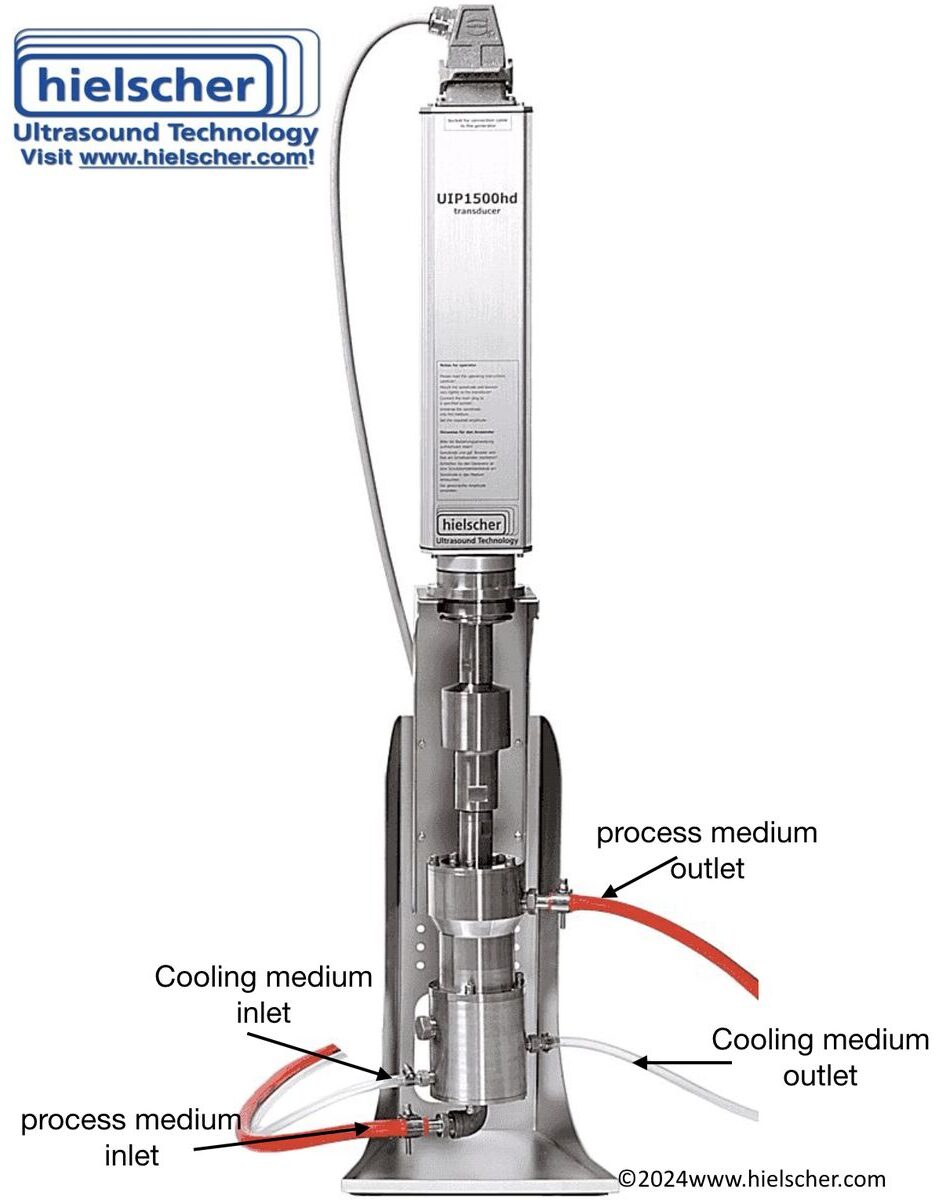
جهاز Sonicator UIP1500hdT المزود بخلية تدفق لإعادة تنشيط وإعادة تدوير المحفزات المستهلكة
- تحسين الكفاءة
- زيادة التفاعل
- زيادة معدل التحويل
- عائد أعلى
- إعادة تدوير المحفز
تكثيف الموجات فوق الصوتية من ردود الفعل التحفيزية
يعمل الخلط والتحريض بالموجات فوق الصوتية على تحسين التلامس بين جزيئات المواد المتفاعلة والمحفزة ، ويخلق أسطحا شديدة التفاعل ويبدأ و / أو يعزز التفاعل الكيميائي.
يمكن أن يسبب إعداد المحفز بالموجات فوق الصوتية تغييرات في سلوك التبلور والتشتت / إزالة التكتل وخصائص السطح. علاوة على ذلك ، يمكن أن تتأثر خصائص المحفزات المشكلة مسبقا عن طريق إزالة طبقات سطح التخميل ، وتحسين التشتت ، وزيادة نقل الكتلة.
أمثلة على التفاعلات المحسّنة بالموجات فوق الصوتية
- المعالجة المسبقة بالموجات فوق الصوتية لمحفز Ni لتفاعلات الهدرجة
- ينتج عن محفز Raney Ni الصوتي مع حمض الطرطريك انتقائية عالية جدا
- محفزات فيشر-تروبش المُصنَّعة بالموجات فوق الصوتية
- محفزات مسحوق غير متبلور معالجة بالموجات فوق الكيميائية لزيادة التفاعل
- سونو التوليف من مساحيق المعادن غير المتبلورة
استعادة محفز بالموجات فوق الصوتية
تُستخدم المُحفِّزات الصلبة في مفاعلات الطبقة الثابتة عادةً على شكل حبيبات كروية، أو كريات، أو منتجات البثق، أو جسيمات أسطوانية. وأثناء التفاعلات الكيميائية، قد يتعرض سطح المُحفِّز للتخميل بفعل طبقة من التلوث، مما يؤدي إلى فقدان تدريجي للنشاط التحفيزي و/أو الانتقائية بمرور الوقت.
يختلف الإطار الزمني لتعطيل المحفزات اختلافًا كبيرًا. فعلى سبيل المثال، قد يحدث تعطيل محفز التكسير في غضون ثوانٍ، في حين أن محفز الحديد المستخدم في تخليق الأمونيا قد يظل نشطًا لمدة تتراوح بين 5 و10 سنوات. ومع ذلك، يُلاحظ تعطيل المحفزات في جميع العمليات التحفيزية تقريبًا. وعلى الرغم من إمكانية حدوث آليات تعطيل مختلفة – بما في ذلك التحلل الكيميائي والميكانيكي والحراري – يُعد التلوث أحد الأسباب الأكثر شيوعًا لتدهور المحفز.
يشير مصطلح «التلوث» إلى الترسب المادي لمواد من الطور السائل على سطح المحفز وداخل مسامه. وتؤدي هذه الرواسب إلى سد المواقع التفاعلية، وتقييد الوصول إلى المسام، وتقليل التلامس بين المواد المتفاعلة وسطح المحفز النشط. غالبًا ما يكون تلوث المحفز بالكوك أو الرواسب الكربونية عملية سريعة؛ ومع ذلك، يمكن في كثير من الحالات عكسها جزئيًا أو كليًا عن طريق التجديد بالموجات فوق الصوتية.
يُعد التكهف بالموجات فوق الصوتية طريقة فعالة لإزالة طبقات التلوث المُثبِّتة من أسطح المحفزات. أثناء المعالجة بالموجات فوق الصوتية، تولد الموجات فوق الصوتية عالية الكثافة فقاعات تجويف في وسط سائل. ويؤدي انهيار هذه الفقاعات إلى توليد قوى قص موضعية، ونفثات دقيقة، وموجات صدمية، وخلط دقيق مكثف. وتساعد هذه التأثيرات على فصل بقايا التلوث عن سطح المحفز، وإعادة فتح المسام المسدودة، واستعادة الوصول إلى المواقع النشطة.
يتم إجراء عملية استعادة المحفزات بالموجات فوق الصوتية عادةً عن طريق تشتيت جزيئات المحفز في سائل، مثل الماء منزوع الأيونات أو مذيب مناسب، وتعريض المعلق لمعالجة بالموجات فوق الصوتية خاضعة للتحكم. ويمكن لهذه العملية إزالة بقايا التلوث من مواد محفزة متنوعة، بما في ذلك محفزات البلاتين/ألياف السيليكا، ومحفزات النيكل، وغيرها من المحفزات المعدنية المدعومة. ونتيجة لذلك، يمكن أن يسهم المعالجة بالموجات فوق الصوتية في تجديد المحفزات، وإطالة عمرها التشغيلي، وتحسين استدامة العملية.
انقر هنا لمعرفة المزيد عن إعادة تجديد المحفزات المستهلكة باستخدام الموجات فوق الصوتية!
أجهزة الموجات فوق الصوتية المخصصة للدمج في المفاعلات الكيميائية
 Hielscher الفوق صوتيات يقدم مختلف المعالجات بالموجات فوق الصوتية والاختلافات لدمج الموجات فوق الصوتية السلطة في مفاعلات السرير الثابت. تتوفر أنظمة الموجات فوق الصوتية المختلفة ليتم تركيبها في مفاعلات السرير الثابت. بالنسبة لأنواع المفاعلات الأكثر تعقيدا ، نقدم تخصيص بالموجات فوق الصوتية محاليل.
تعرف على كيفية تحسين المعالجة بالموجات فوق الصوتية للتفاعلات الكيميائية في تصميمات المفاعلات المختلفة!
لاستكشاف تأثير المعالجة بالموجات فوق الصوتية على تفاعلك الكيميائي، نرحب بزيارتك لمختبر العمليات بالموجات فوق الصوتية والمركز التقني التابعين لنا في تيلتو!
اتصل بنا اليوم! يسعدنا مناقشة التكثيف بالموجات فوق الصوتية لعمليتك الكيميائية معك!
يعطيك الجدول أدناه مؤشراً على قدرة المعالجة التقريبية لأجهزة Hielscher الصوتية:

نظام التدفق بالموجات فوق الصوتية
- الهدرجة
- التصفيات
- التجميد
- الأثير
- الأسترة
- البلمره
- الأليلاتيون
- البرومة
(على سبيل المثال محفزات زيغلر-ناتا ، ميتالوسين)
الأدب / المراجع
- Francisco J. Navarro-Brull; Andrew R. Teixeira; Jisong Zhang; Roberto Gómez; Klavs F. Jensen (2018): Reduction of Dispersion in Ultrasonically-Enhanced Micropacked Beds. Industrial & Engineering Chemistry Research 57, 1; 2018. 122–128.
- Yasuo Tanaka (2002): A dual purpose packed-bed reactor for biogas scrubbing and methane-dependent water quality improvement applying to a wastewater treatment system consisting of UASB reactor and trickling filter. Bioresource Technology, Volume 84, Issue 1, 2002. 21-28.
- Argyle, M.D.; Bartholomew, C.H. (2015): Heterogeneous Catalyst Deactivation and Regeneration: A Review. Catalysts 2015, 5, 145-269.
- Oza, R.; Patel, S. (2012): Recovery of Nickel from Spent Ni/Al2O3 Catalysts using Acid Leaching, Chelation and Ultrasonication. Research Journal of Recent Sciences Vol. 1; 2012. 434-443.
- Sana, S.; Rajanna, K.Ch.; Reddy, K.R.; Bhooshan, M.; Venkateswarlu, M.; Kumar, M.S.; Uppalaiah, K. (2012): Ultrasonically Assisted Regioselective Nitration of Aromatic Compounds in Presence of Certain Group V and VI Metal Salts. Green and Sustainable Chemistry, 2012, 2, 97-111.
- Suslick, K. S.; Skrabalak, S. E. (2008): “Sonocatalysis” In: Handbook of Heterogeneous Catalysis, vol. 4; Ertl, G.; Knözinger, H.; Schüth, F.; Weitkamp, J., (Eds.). Wiley-VCH: Weinheim, 2008. 2006-2017.
حقائق تستحق المعرفة
ما هو التجويف بالموجات فوق الصوتية؟
التجويف بالموجات فوق الصوتية هو عملية تكوّن ونمو وانهيار عنيف لفقاعات بخار أو غاز مجهرية في سائل معرض لموجات فوق صوتية عالية الكثافة. وأثناء انهيار الفقاعات، قد تحدث ظروف محلية قاسية لفترات زمنية قصيرة جدًّا، بما في ذلك ارتفاع درجة الحرارة، وارتفاع الضغط، وموجات الصدمة، والنفاثات الدقيقة، وقوى القص الشديدة.
ما هي سونوكيمياء؟
الكيمياء الصوتية هي استخدام تأثيرات التجويف بالموجات فوق الصوتية هذه لبدء العمليات الكيميائية والفيزيائية-الكيميائية أو تسريعها أو تعديلها. وهي ذات أهمية خاصة في أنظمة الطور السائل لأن التجويف يعزز عمليات الخلط، ونقل الكتلة، والتستبيين، وتشتت الجسيمات، وتنظيف سطح المحفز، وفي بعض الحالات، تكوين الجذور الحرة. ونتيجةً لذلك، تُستخدم الكيمياء الصوتية لتكثيف التفاعلات مثل التحفيز غير المتجانس، والأكسدة، والاستخلاص، والبلمرة، والتبلور، وتخليق المواد النانوية.
ما المقصود بالتفاعل التحفيزي غير المتجانس؟
في الكيمياء، يشير الحفز غير المتجانس إلى نوع التفاعل الحفزي حيث تختلف أطوار العامل الحفاز والمتفاعلات بعضها عن بعض. في سياق الكيمياء غير المتجانسة ، لا يستخدم الطور فقط للتمييز بين المواد الصلبة والسائلة والغاز ، ولكنه يشير أيضا إلى السوائل غير القابلة للامتزاج ، مثل النفط والماء.
أثناء التفاعل غير المتجانس ، يخضع واحد أو أكثر من المتفاعلات لتغير كيميائي عند السطح البيني ، على سبيل المثال على سطح عامل حفاز صلب.
يعتمد معدل التفاعل على تركيز المواد المتفاعلة وحجم الجسيمات ودرجة الحرارة والمحفز وعوامل أخرى.
تركيز المتفاعلات: بوجه عام، تؤدي زيادة تركيز المتفاعل إلى زيادة معدل التفاعل بسبب السطح البيني الأكبر؛ ومن ثم زيادة انتقال الطور بين جسيمات المتفاعلات.
حجم الجسيمات: عندما يكون أحد المتفاعلات جسيما صلبا، فلا يمكن عرضه في معادلة المعدل؛ لأن معادلة المعدل توضح التركيزات فقط، ولا يمكن أن يكون تركيز المواد الصلبة في طور مختلف؛ لأنها في طور مختلف. ومع ذلك ، فإن حجم جسيم المادة الصلبة يؤثر على معدل التفاعل بسبب مساحة السطح المتاحة لنقل الطور.
درجة حرارة رد الفعل: ترتبط درجة الحرارة بثابت المعدل عبر معادلة أرهينيوس: k = Ae-EA / RT
حيث Ea هي طاقة التنشيط ، R هو ثابت الغاز العالمي و T هي درجة الحرارة المطلقة بالكلفن. A هو عامل أرهينيوس (التردد). e-EA / RT يعطينا عدد الجسيمات الموجودة أسفل المنحنى والتي لها طاقة أكبر من طاقة التنشيط، ه.
محفز: في معظم الحالات، تحدث التفاعلات بشكل أسرع مع العامل الحفاز؛ لأنها تتطلب طاقة تنشيط أقل. توفر العوامل الحفازة غير المتجانسة سطحا نموذجيا يحدث عنده التفاعل، بينما تشكل العوامل الحفازة المتجانسة نواتج وسيطة تطلق العامل الحفاز خلال خطوة لاحقة من الآلية.
عوامل أخرى: يمكن أن تؤثر عوامل أخرى مثل الضوء على تفاعلات معينة (الكيمياء الضوئية).
ما هي أنواع تعطيل المحفزات؟
- التسمم بالمحفز هو مصطلح يشير إلى الامتزاز الكيميائي القوي للأنواع في المواقع التحفيزية التي تسد مواقع التفاعل الحفاز. يمكن أن يكون التسمم قابلا للعكس أو لا رجعة فيه.
- يشير القاذورات إلى التحلل الميكانيكي للمحفز ، حيث تترسب الأنواع من الطور السائل على السطح الحفاز وفي مسام المحفز.
- يؤدي التدهور الحراري والتلبيد إلى فقدان مساحة السطح التحفيزي ومنطقة الدعم وتفاعلات دعم الطور النشطة.
- تكوين البخار يعني شكل تحلل كيميائي ، حيث يتفاعل الطور الغازي مع الطور الحفاز لإنتاج مركبات متطايرة.
- تؤدي تفاعلات البخار-صلب والصلب-الصلب إلى تعطيل العامل الحفاز كيميائيا. يتفاعل البخار أو الدعامة أو المروج مع العامل الحفاز بحيث تنتج مرحلة غير نشطة.
- يؤدي استنزاف أو سحق جزيئات المحفز إلى فقدان المواد التحفيزية بسبب التآكل الميكانيكي. تفقد مساحة السطح الداخلية للمحفز بسبب التكسير الناجم عن الميكانيكي لجسيم المحفز.
اقرأ المزيد عن كيفية إعادة تنشيط المحفزات المستهلكة باستخدام الموجات فوق الصوتية!
ما هو الاستبدال النوويفيلي؟
يُعد الاستبدال النوويلي فئة أساسية من التفاعلات في الكيمياء العضوية (والغير عضوية)، حيث يرتبط النوويلي بشكل انتقائي، بصفته قاعدة لويس (كمانح لزوج إلكتروني)، بمركب عضوي يحتوي على شحنة موجبة أو شبه موجبة (+) لذرة أو مجموعة من الذرات ليحل محل المجموعة المغادرة. وتُسمى الذرة الموجبة أو شبه الموجبة، التي تعمل كمستقبل لزوج الإلكترونات، بالإلكتروفيل. وعادةً ما يُطلق على الكيان الجزيئي الكامل المكون من الإلكتروفيل والمجموعة المغادرة اسم «الركيزة».
يمكن ملاحظة الاستبدال النووي كمسارين مختلفين – ال SN1 و SN2 رد فعل. أي شكل من أشكال آلية التفاعل – sN1 أو ثانيةN2 – يحدث ، يعتمد على بنية المركبات الكيميائية ، ونوع النيوكليوفيل والمذيب.