إعادة تنشيط المحفز المستهلك باستخدام المعالجة بالموجات فوق الصوتية
أصبح إعادة تنشيط المحفزات المستهلكة موضوعًا مهمًا في المعالجة الكيميائية المستدامة، وعمليات التكرير، والبتروكيماويات، والتحفيز البيئي، واستراتيجيات الاقتصاد الدائري. تعد المحفزات ضرورية لحدوث التفاعلات بكفاءة، ولكنها تفقد فعاليتها تدريجيًا أثناء الاستخدام الصناعي بسبب ترسب الكوك، أو التسمم المعدني، أو التلوث، أو انسداد المسام، أو التلبيد، أو تخميل السطح، أو تراكم المنتجات الثانوية للتفاعل. ويعد استبدال المحفزات المستهلكة عملية مكلفة وتستهلك موارد كثيرة، في حين أن التخلص منها قد يشكل أعباءً بيئية. يُعد التجديد بالموجات فوق الصوتية للمحفزات المستهلكة تقنية بسيطة لكنها عالية الكفاءة لإعادة تنشيط المحفزات التي تعرضت للتخميل أو التسمم أو التلوث أثناء الاستخدام.
إعادة تنشيط المحفز المستهلك باستخدام المعالجة بالموجات فوق الصوتية
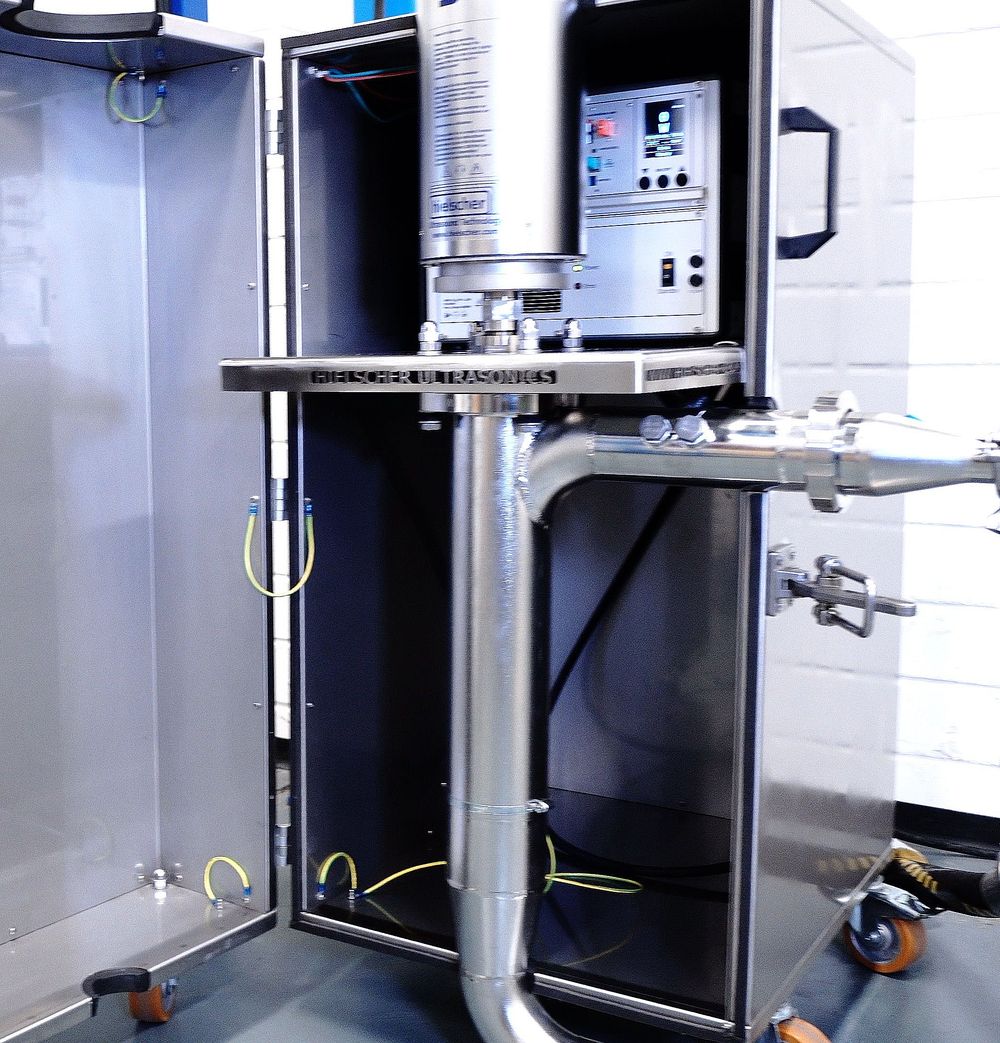 يوفر المعالجة بالموجات فوق الصوتية، والمعروفة أيضًا باسم المعالجة بالموجات فوق الصوتية، طريقة ذات صلة علمية وجذابة من الناحية التقنية لتجديد وإعادة تنشيط المحفزات المستهلكة. ومن خلال تطبيق الموجات فوق الصوتية عالية الطاقة على معلقات المحفزات، يتولد تجويف صوتي مكثف في الوسط السائل. ويؤدي انهيار فقاعات التجويف إلى إنتاج نفاثات دقيقة موضعية، وموجات صدمية، وقوى قص، وخلط دقيق شديد الاضطراب. ويمكن لهذه التأثيرات تنظيف أسطح المحفزات، وإزالة الرواسب، وتحسين وصول الكواشف إلى المسام المسدودة، ودعم عمليات الترشيح الكيميائي أو عمليات التجديد التأكسدي.
أظهرت الأبحاث الحديثة حول محفزات التكسير الحفزي السائل المستهلكة أن عملية التجديد بمساعدة الموجات فوق الصوتية يمكن أن تحسّن عملية إزالة المعادن الضارة، مع المساعدة في الحفاظ على الهيكل الشبكي للزيوليت والبنية المجهرية لجزيئات المحفز. كما أشارت الدراسات إلى تحسن استخلاص المعادن مثل النيكل من المحفزات المستهلكة بفضل الموجات فوق الصوتية، حيث تعمل المعالجة بالموجات فوق الصوتية على تسريع عملية الاستخلاص من خلال التأثيرات الفيزيائية والكيميائية للتجويف الصوتي.
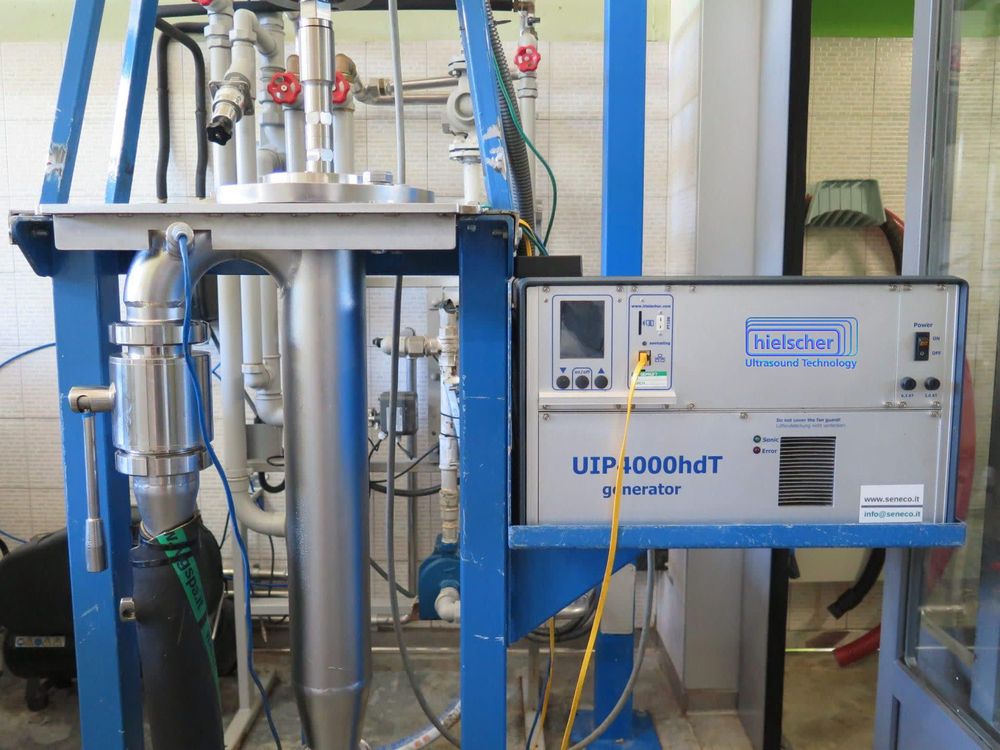
جهاز الموجات فوق الصوتية المدمج UIP4000hdT من أجل إعادة التدوير الصناعي للمحفزات المستهلكة
لماذا يُعدُّ المعالجة بالموجات فوق الصوتية وسيلة فعالة لإعادة تنشيط المحفزات المستهلكة
تكمن الأهمية العلمية للتصويبة الصوتية في قدرتها على تعزيز العمليات غير المتجانسة بين المواد الصلبة والسائلة. وغالبًا ما يكون تجديد المحفزات مقيدًا بضعف انتقال الكتلة، وانسداد المسام، وتخميل الأسطح، وبطء انتشار عوامل التنظيف أو الترشيح داخل بنية المحفز. وتعالج الموجات فوق الصوتية هذه القيود من خلال آليات ميكانيكية وفيزيائية-كيميائية.
تشمل المزايا الرئيسية للمعالجة بالموجات فوق الصوتية ما يلي:
لا تقتصر أهمية الموجات فوق الصوتية على التنظيف المادي فحسب. ففي مجال الكيمياء الصوتية، يمكن أن يؤدي التكهف إلى خلق ظروف محلية قاسية وبيئات تفاعلية، مما يساعد في عمليات الأكسدة أو تعديل الأسطح أو خطوات الاستخلاص الكيميائي. وبذلك، يمكن للموجات فوق الصوتية توسيع السطح النشط للمحفزات، والحد من تراكم الرواسب على المحفزات الصلبة المشتتة، والمساهمة في عملية التنظيف خلال عمليات إعادة تدوير المحفزات.
الأهمية الصناعية: من تنظيف المحفزات إلى إعادة تنشيط وظائفها
إن إعادة تنشيط المحفز المستهلك هي أكثر من مجرد عملية صيانة. فهي مسار ذو أهمية علمية لتحسين أداء المحفز طوال دورة حياته. فلا يجب أن يبدو المحفز المعاد تنشيطه نظيفًا فحسب، بل يجب أن يستعيد وظيفته التحفيزية الفعالة. وهذا يتطلب استعادة المواقع النشطة التي يمكن الوصول إليها، وحموضة أو قاعدية السطح، والمسامية، والتشتت، وأداء التفاعل.
يُعد العلاج بالموجات فوق الصوتية ذا أهمية لأنه يعمل على عدة مستويات حاسمة في عملية تجديد المحفز:
السطح: وهو يزيل الطبقات المُخَمِّلة ويكشف عن المواقع النشطة.
المسام: وهو يساعد على إعادة فتح المسام المتوسطة والمسام الدقيقة المسدودة.
الجسيمات: وهو يعمل على تفكيك التكتلات وتحسين تجانس المعلق.
العملية: وهو يعزز التلامس بين السائل والصلب ويحسن كفاءة وسائط التجديد الكيميائي.
الاستدامة: وهي تدعم إعادة الاستخدام، واستعادة المعادن، وتقليل النفايات.
 أفادت دراسة حديثة حول تجديد محفزات التكسير الحفزي السائل (FCC) المستهلكة باستخدام الموجات فوق الصوتية والأكسدة، أن عمليات الأكسدة المتقدمة المدعومة بالموجات فوق الصوتية زادت من حموضة المحفز ومكّنت من استخدام المحفز المُجدَّد في تصنيع أحادي ستيرات الجلسرين. (انظر: Anggoro وآخرون، 2026)
وأظهرت دراسة أخرى أن الغمر في حمض الكبريتيك المخفف، ثم عملية الترشيح بمساعدة الموجات فوق الصوتية في خليط من حمض الكبريتيك وحمض الأكساليك، يحسّن بشكل كبير من إزالة المعادن الضارة من محفز FCC المستهلك دون إتلاف الهيكل الشبكي للزيوليت Y والبنية المجهرية لجزيئات المحفز المستهلك. وبالمقارنة مع عملية الترشيح التقليدية، لا تستغرق عملية الترشيح بمساعدة الموجات فوق الصوتية سوى ربع الوقت لتحقيق نفس تأثير إزالة المعادن الضارة تقريبًا، كما تتمتع بمزايا فائقة في الحفاظ على سلامة الجسيمات. (انظر: Wang et al، 2021).
استخدام الموجات فوق الصوتية في إعادة تدوير المحفزات واستخلاص المعادن
غالبًا ما تحتوي المحفزات المستهلكة على معادن قيّمة مثل النيكل، والفاناديوم، والموليبدينوم، والكوبالت، ومعادن مجموعة البلاتين، أو المعادن النادرة، اعتمادًا على نوع المحفز والتطبيق الصناعي. ويمكن أن يدعم المعالجة بالموجات فوق الصوتية كلاً من إعادة تنشيط المحفز واستعادة الموارد. في عملية الترشيح بمساعدة الموجات فوق الصوتية، يعمل التكهف على تحسين تغلغل محلول الترشيح، وإزالة الطبقات الحدودية المحيطة بالجسيمات، وكشف أسطح جديدة للتفاعل.
وهذا يجعل التصوير بالموجات فوق الصوتية خيارًا مثيرًا للاهتمام بشكل خاص في الحالات التالية:
- المحفزات المستهلكة في المصافي
- محفزات FCC
- محفزات المعالجة الهيدروجينية وإزالة الكبريت الهيدروجينية
- محفزات فيشر تروبش
- المحفزات المعدنية المدعمة
- المحفزات البيئية
- الكربون المنشط وأنظمة المُمتصات-المحفزات
- المحفزات غير المتجانسة الملوثة بالمعادن أو المتسخة

سونيكاتور UP400ST مع إعداد خلية التدفق
المزايا التقنية لأجهزة Hielscher Sonicators في إعادة تدوير المحفزات المستهلكة
تُعد أجهزة الموجات فوق الصوتية عالية الطاقة من شركة «هيلشر» مناسبة تمامًا لإعادة تدوير وإعادة تنشيط المحفزات المستهلكة، لأنها توفر طاقة فوق صوتية يمكن التحكم فيها وقابلة للتكرار وقابلة للتوسع في المعلقات السائلة-الصلبة. بالنسبة لتجديد المحفزات، تعد موثوقية العملية أمرًا أساسيًا: يجب أن تكون السعة، ومدخلات الطاقة، ووقت البقاء، ومعدل التدفق، ودرجة الحرارة، والضغط، وهندسة المفاعل قابلة للتعديل وقابلة للتكرار بدءًا من التجارب المعملية وصولًا إلى الإنتاج الصناعي.
تقدم شركة «هيلشر» أنظمة الموجات فوق الصوتية بدءًا من الأجهزة المختبرية المدمجة وصولاً إلى الوحدات الصناعية، بما في ذلك أجهزة الموجات فوق الصوتية من نوع المجس والمفاعلات فوق الصوتية ذات التدفق المستمر المخصصة للمعالجة المستمرة. وتتراوح أجهزة الموجات فوق الصوتية من «هيلشر» بين الوحدات المختبرية الصغيرة والمعالجات الصناعية مثل الأجهزة ذات القوة 500 واط، و1,000 واط، و2,000 واط، 4,000 واط، و6,000 واط، و16,000 واط، مما يتيح التوسع من اختبار الجدوى إلى معالجة المحفزات على مستوى الإنتاج.
فيما يتعلق بإعادة تدوير المحفزات المستهلكة، تشمل المزايا التقنية ما يلي:
- التصويبة بالموجات فوق الصوتية عالية الكثافة لتحقيق تجويف فعال في المعلقات الكاشطة المحتوية على محفزات
- خيارات المفاعلات ذات التدفق المباشر لعمليات التجديد المستمر، أو الترشيح، أو الغسل، أو التشتت
- التحكم الدقيق في السعة لضمان تكرار ظروف العملية
- بنية معدات قابلة للتوسع بدءًا من الفرز المختبري وصولاً إلى إعادة تدوير المحفزات الصناعية
- تصميم صناعي متين مخصص لبيئات المعالجة الكيميائية الصعبة
- التوافق مع العمليات الصوت-كيميائية مثل الترشيح الحمضي، والتنظيف التأكسدي، والتشتت، وتنشيط السطح
تجعل هذه الميزات أجهزة الموجات فوق الصوتية من Hielscher منصة تقنية عملية للشركات ومؤسسات البحث التي تعمل على تطوير بروتوكولات متطورة لتجديد المحفزات، سواء كان الهدف هو استعادة النشاط التحفيزي، أو استرداد المعادن القيمة، أو تقليل حجم النفايات، أو تحسين استدامة الإنتاج التحفيزي.

جهاز التجانس بالموجات فوق الصوتية UIP2000hdT لتجديد المحفز في عملية التدفق المباشر
تكنولوجيا مستدامة لاقتصاد المحفزات الدائري
مع توجه الصناعات نحو الإنتاج الأنظف وكفاءة استخدام الموارد، أصبحت إدارة المحفزات المستهلكة أولوية استراتيجية. وتدعم المعالجة بالموجات فوق الصوتية هذا التحول من خلال جعل إعادة تنشيط المحفزات أسرع وأكثر كفاءة وأكثر قابلية للتحكم من الناحية التقنية. وبدلاً من التعامل مع المحفزات المستهلكة كنفايات، تساعد المعالجة بالموجات فوق الصوتية في تحويلها إلى مواد قابلة لإعادة الاستخدام أو مصادر قيّمة للمواد الخام الثانوية.
تكمن الأهمية الصناعية للتنقيط الصوتي في قدرته على الجمع بين التنشيط الميكانيكي، وتنظيف الأسطح، والتشتت، وتكثيف نقل الكتلة في عملية واحدة. وبالنسبة للمستخدمين الصناعيين، فإن الميزة واضحة بنفس القدر: تحسين إعادة استخدام المحفزات، وخفض استهلاك المواد الخام، وتقليل توليد النفايات، واحتمال خفض تكاليف التشغيل.
استفد من تقنية تجديد المحفزات بالموجات فوق الصوتية
 تعد إعادة تنشيط المحفزات المستهلكة باستخدام المعالجة بالموجات فوق الصوتية نهجًا متقدمًا لإعادة تدوير المحفزات، ويتمتع بإمكانيات علمية وصناعية كبيرة. يتيح التجويف الصوتي إزالة الرواسب، وإعادة فتح المسام المسدودة، وتحسين انتقال الكتلة، وتكثيف خطوات التجديد الكيميائي. وعند دمجها مع استراتيجيات مناسبة للترشيح أو الأكسدة أو الغسل أو المعالجة الحرارية، يمكن أن تسهم المعالجة بالموجات فوق الصوتية في استعادة نشاط المحفز واسترجاع المعادن القيمة.
بفضل أجهزة المعالجة بالموجات فوق الصوتية عالية الطاقة والقابلة للتوسع، ومفاعلات التدفق الصناعية التي تعمل بالموجات فوق الصوتية، توفر شركة Hielscher الأساس التقني لتطوير عمليات موثوقة وقابلة للتكرار وفعالة لتجديد المحفزات المستهلكة. ومع تزايد أهمية إعادة تدوير المحفزات في مجال الكيمياء المستدامة والإنتاج الصناعي الدائري، تبرز المعالجة بالموجات فوق الصوتية كأداة قوية لإطالة عمر المحفزات وتحسين كفاءة استخدام الموارد.
يمنحك الجدول أدناه مؤشرا على قدرة المعالجة التقريبية لأجهزة الموجات فوق الصوتية لدينا:
| حجم الدفعة | معدل التدفق | الأجهزة الموصى بها |
|---|---|---|
| 1 إلى 500 مل | 10 إلى 200 مل / دقيقة | UP100H |
| 10 إلى 2000 مل | 20 إلى 400 مل / دقيقة | UP200Ht, UP400St |
| 0.1 إلى 20 لتر | 0.2 إلى 4 لتر / دقيقة | UIP2000hdT |
| 10 إلى 100 لتر | 2 إلى 10 لتر / دقيقة | UIP4000hdT |
| 15 إلى 150 لتر | 3 إلى 15 لتر / دقيقة | UIP6000hdT |
| ن.أ. | 10 إلى 100 لتر / دقيقة | UIP16000hdT |
| ن.أ. | أكبر | مجموعة من UIP16000hdT |
التصميم والتصنيع والاستشارات – جودة صنع في ألمانيا
Hielscher الموجات فوق الصوتية معروفة جيدا لأعلى معايير الجودة والتصميم. المتانة والتشغيل السهل تسمح بالتكامل السلس للموجات فوق الصوتية لدينا في المنشآت الصناعية. يتم التعامل بسهولة مع الظروف القاسية والبيئات الصعبة بواسطة الموجات فوق الصوتية Hielscher.
Hielscher Ultrasonics هي شركة حاصلة على شهادة الأيزو وتركز بشكل خاص على الموجات فوق الصوتية عالية الأداء التي تتميز بأحدث التقنيات وسهولة الاستخدام. بطبيعة الحال، الموجات فوق الصوتية Hielscher هي CE المتوافقة وتلبية متطلبات UL، وكالة الفضاء الكندية وبنفايات.

Hielscher Ultrasonics بتصنيع المجانسات بالموجات فوق الصوتية عالية الأداء لخلط التطبيقات، والتشتت، والاستحلاب والاستخراج على المختبر، التجريبية والصناعية النطاق.
أسئلة مكررة
ما هو المُحفز؟
المحفز هو مادة تزيد من معدل التفاعل الكيميائي عن طريق خفض طاقة التنشيط، دون أن تُستهلك بنسبة متكافئة في التفاعل. وهو يوفر مسارًا بديلاً للتفاعل، وغالبًا ما يمكن إعادة استخدامه.
ما المقصود بالمحفز المستهلك؟
المحفز المستهلك هو محفز فقد جزءًا من نشاطه التحفيزي أو انتقائيته أو استقراره، أو فقدها كلها، بعد الاستخدام. وقد ينتج التعطيل عن التلوث، أو ترسب الكوك، أو التسمم، أو التلبيد، أو الترشيح، أو تدهور البنية.
ما هو محفز FCC المستهلك؟
المحفز المستهلك في عملية التكسير الحفزي السائل (FCC) هو محفز فقد فعاليته نتيجة لعملية التكسير الحفزي السائل في تكرير النفط. وعادةً ما تكون محفزات FCC مواد قائمة على الزيوليت تُستخدم لتكسير الهيدروكربونات الثقيلة إلى منتجات أخف مثل البنزين والأوليفينات وغاز البترول المسال (LPG). وتصبح هذه المحفزات مستهلكة بسبب تكوّن الكوك، والتلوث بالمعادن، والتحلل الحراري المائي، وفقدان الحموضة أو المساحة السطحية.
كيف يتم استهلاك المحفزات؟
لا يتم استهلاك المحفزات بالمعنى المتكافئ المثالي، ولكنها قد تفقد فعاليتها أو تتلف ماديًا أثناء التشغيل. وتشمل الآليات الشائعة ما يلي:
- التسمم: امتصاص الشوائب بشكل لا رجعة فيه على المواقع النشطة.
- التلوث/تكوّن الكوك: يؤدي ترسب المواد الكربونية إلى انسداد المسام والمواقع النشطة.
- التلبيد: تؤدي درجات الحرارة المرتفعة إلى تكتل الجسيمات النشطة، مما يقلل من مساحة السطح.
- الترشيح: تذوب المكونات الفعالة في وسط التفاعل.
- التناقص الطبيعي: يؤدي التآكل الميكانيكي إلى تفتيت جزيئات المُحفِّز، لا سيما في الطبقات المُميَّضة.
- مرحلة التحول: يتحول هيكل المُحفِّز إلى شكل أقل نشاطًا.
ما هي الأنواع الأربعة للمحفزات؟
والأنواع الأربعة التي يُشيع تمييزها هي:
الأدب / المراجع
- Darbandi, M., Moghaddasfar, A., Eynollahi, M. et al. (2025): Sustainable approach with enhanced removal performance of organic pollutant for wastewater treatment by ultrasonically regenerated mesoporous nickel oxide nanoparticles. Int. J. Environ. Sci. Technol. 22, 3495–3504 (2025).
- Anggoro D.D., Buchori L., Rinaldi N., Silviana S., Le Monde B.U., Putra M.F., Zainol, M.M. (2026): Hybrid Ultrasound and Advanced Oxidation Process Regeneration of Spent FCC Catalysts: Optimization and Their Catalytic Performance. Journal of Engineering and Technological Sciences, 58(2), 227–242.
- Xin Pu, Jin-ning Luan, Li Shi (2012): Reuse of Spent FCC Catalyst for Removing Trace Olefins from Aromatics. Bulletin of Korean Chemical Society 2012, Vol. 33, No. 8.
- كفاءة عالية
- أحدث التقنيات
- موثوقيه & متانه
- تحكم دقيق وقابل للتعديل في العملية
- الدفعه & مضمنه
- لأي وحدة تخزين
- برنامج ذكي
- ميزات ذكية (على سبيل المثال، قابلة للبرمجة وبروتوكول البيانات والتحكم عن بُعد)
- سهل وآمن للعمل
- صيانة منخفضة
- التنظيف المكاني (التنظيف المكاني)
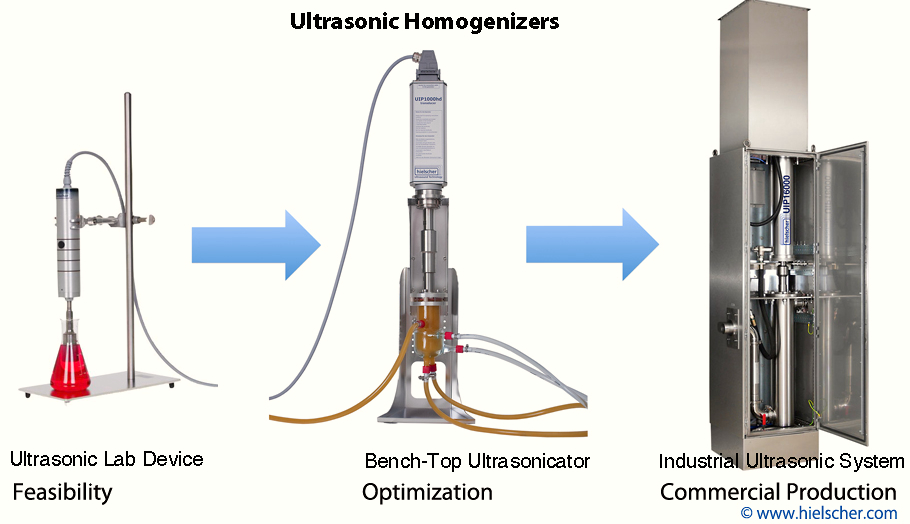
Hielscher الفوق صوتيات بتصنيع الخالط بالموجات فوق الصوتية عالية الأداء من المختبر ل الحجم الصناعي.