Reactivarea catalizatorului uzat prin sonicare
Reactivarea catalizatorilor uzați a devenit un subiect important în domeniul proceselor chimice durabile, al operațiunilor de rafinare, al petrochimiei, al catalizei ecologice și al strategiilor de economie circulară. Catalizatorii sunt esențiali pentru reacții eficiente, dar în timpul utilizării industriale își pierd treptat activitatea din cauza depunerilor de cocs, a otrăvirii cu metale, a murdăririi, a blocării porilor, a sinterizării, a pasivării suprafeței sau a acumulării de produse secundare ale reacției. Înlocuirea catalizatorilor uzați este costisitoare și consumatoare de resurse, în timp ce eliminarea acestora poate genera impacturi negative asupra mediului. Regenerarea cu ultrasunete a catalizatorilor uzați este o tehnică simplă, dar extrem de eficientă, pentru reactivarea catalizatorilor care au fost pasivați, otrăviți sau murdăriți în timpul utilizării.
Reactivarea catalizatorului uzat prin sonicare
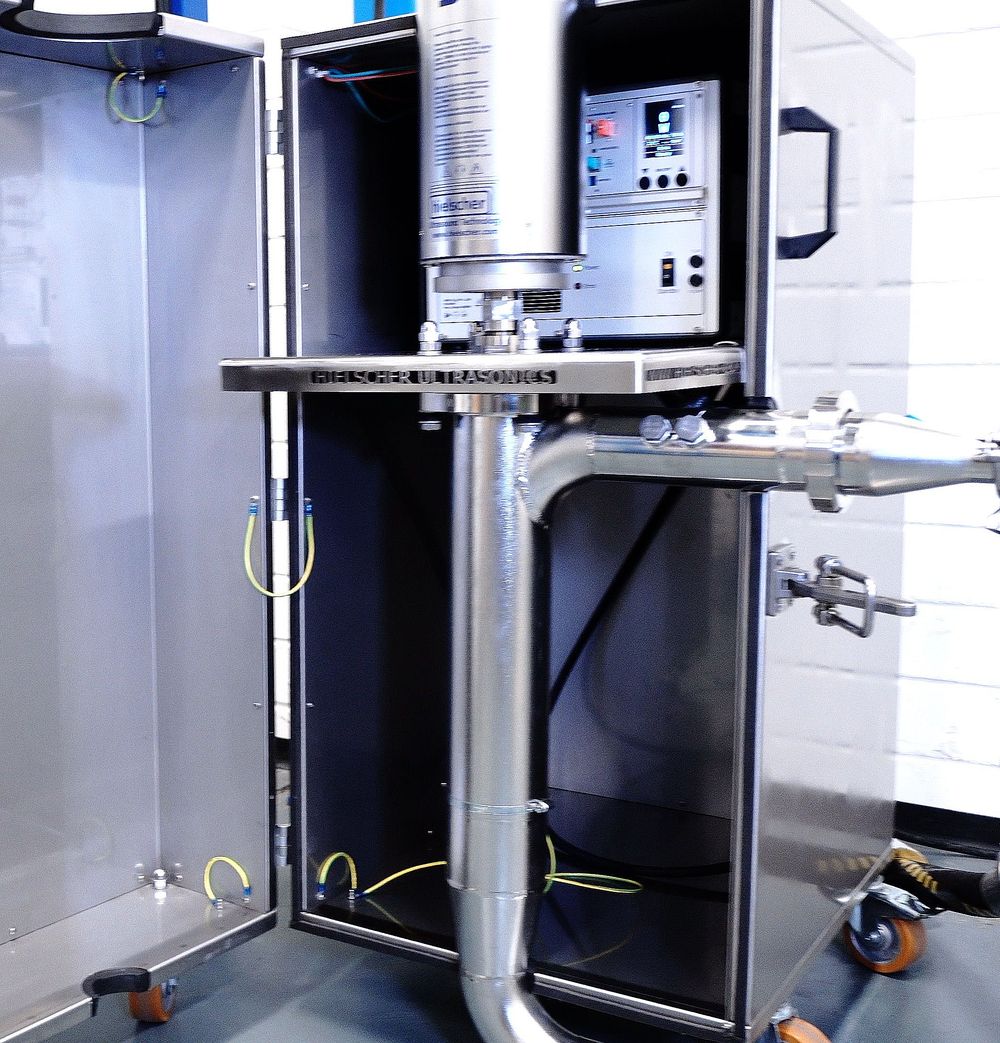 Sonicația, cunoscută și sub denumirea de tratament cu ultrasunete, oferă o metodă relevantă din punct de vedere științific și atractivă din punct de vedere tehnic pentru regenerarea și reactivarea catalizatorilor uzați. Prin aplicarea ultrasunetelor de mare putere asupra suspensiilor de catalizatori, se generează o cavitație acustică intensă în mediul lichid. Colapsul bulelor de cavitație produce microjeturi localizate, unde de șoc, forțe de forfecare și o microamestecare extrem de turbulentă. Aceste efecte pot curăța suprafețele catalizatorilor, pot îndepărta depunerile, pot îmbunătăți accesul reactivilor la porii blocați și pot susține procesele de leșiere chimică sau de regenerare oxidativă.
Cercetările recente privind catalizatorii uzați din procesul de cracare catalitică fluidă au arătat că regenerarea asistată de ultrasunete poate îmbunătăți eliminarea metalelor nocive, contribuind în același timp la conservarea structurii zeolitice și a microstructurii particulelor catalizatorului. Studiile au raportat, de asemenea, o recuperare îmbunătățită prin ultrasunete a metalelor, precum nichelul, din catalizatorii uzați, sonicarea accelerând extracția prin efectele fizice și chimice ale cavitației acustice.
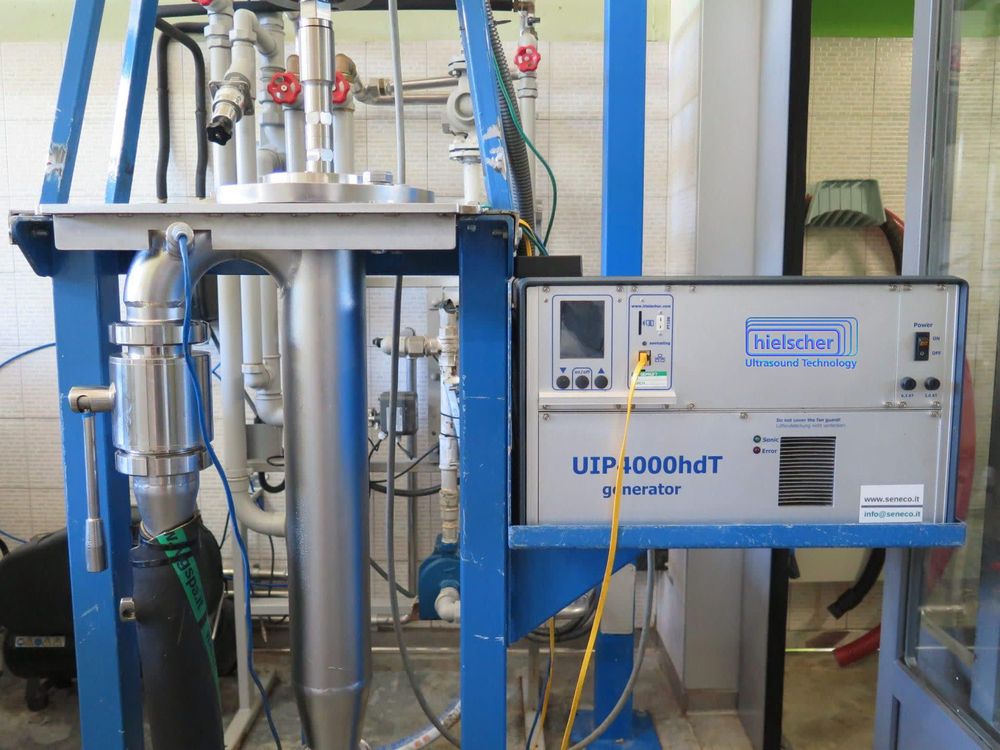
Sonicator în linie UIP4000hdT pentru regenerarea industrială a catalizatorilor uzați
De ce sonicația este eficientă pentru reactivarea catalizatorilor uzați
Importanța științifică a sonicării constă în capacitatea sa de a intensifica procesele eterogene solid-lichid. Regenerarea catalizatorului este adesea limitată de un transfer de masă deficitar, de pori blocați, de suprafețe pasivate și de difuzia lentă a agenților de curățare sau de leșiere în structura catalizatorului. Ultrasunetele remediază aceste limitări prin mecanisme mecanice și fizico-chimice.
Printre principalele avantaje ale sonicației se numără:
Importanța ultrasunetelor nu se limitează la curățarea fizică. În sonochimie, cavitația poate crea condiții locale extreme și medii reactive, care pot favoriza procesele de oxidare, modificarea suprafețelor sau etapele de extracție chimică. Astfel, ultrasunetele pot mări suprafața activă a catalizatorilor, pot reduce depunerile pe catalizatorii solizi dispersați și pot contribui la curățare în cadrul proceselor de reciclare a catalizatorilor.
Relevanța industrială: De la curățarea catalizatorului la reactivarea funcțională
Reactivarea catalizatorului uzat este mai mult decât o simplă operațiune de întreținere. Este o metodă importantă din punct de vedere științific pentru îmbunătățirea performanței pe durata ciclului de viață al catalizatorului. Un catalizator regenerat nu trebuie doar să arate curat; el trebuie să-și recâștige funcția catalitică în mod semnificativ. Acest lucru necesită refacerea siturilor active accesibile, a acidității sau bazicității suprafeței, a porozității, a dispersiei și a performanței de reacție.
Tratamentul cu ultrasunete este relevant deoarece acționează la mai multe niveluri critice ale regenerării catalizatorului:
Suprafață: Îndepărtează straturile de pasivare și expune siturile active.
Pori: Contribuie la redeschiderea mezoporilor și microporilor blocați.
Particule: Desface aglomeratele și îmbunătățește omogenitatea suspensiei.
Proces: Acesta intensifică contactul dintre lichid și solid și îmbunătățește eficiența mediilor de regenerare chimică.
Sustenabilitate: Aceasta susține reutilizarea, recuperarea metalelor și reducerea la minimum a deșeurilor.
 Un studiu recent privind regenerarea prin ultrasunete și oxidare a catalizatorilor uzați din procesul de cracare catalitică fluidă (FCC) a arătat că procesele avansate de oxidare asistate de ultrasunete au crescut aciditatea catalizatorului și au permis utilizarea catalizatorului regenerat în sinteza monostearatului de glicerol. (cf. Anggoro et al., 2026)
Un alt studiu a demonstrat că imersia în acid sulfuric diluat și lixivierea ulterioară asistată de ultrasunete într-un amestec de acid sulfuric și acid oxalic îmbunătățesc semnificativ eliminarea metalelor nocive din catalizatorul FCC uzat, fără a distruge structura zeolitului Y și microstructura particulelor de catalizator uzat. În comparație cu lixivierea convențională, lixivierea asistată de ultrasunete necesită doar 1/4 din timp pentru a obține un efect de îndepărtare a metalelor nocive aproape identic și prezintă avantaje superioare în ceea ce privește păstrarea integrității particulelor. (cf. Wang et al, 2021).
Utilizarea ultrasunetelor în reciclarea catalizatorilor și recuperarea metalelor
Catalizatorii uzați conțin adesea metale valoroase, precum nichel, vanadiu, molibden, cobalt, metale din grupa platinei sau metale rare, în funcție de tipul catalizatorului și de aplicația industrială. Sonicația poate contribui atât la reactivarea catalizatorului, cât și la recuperarea resurselor. În procesul de lixiviere asistată de ultrasunete, cavitația îmbunătățește penetrarea soluției de lixiviere, îndepărtează straturile limită din jurul particulelor și expune suprafețe noi pentru reacție.
Acest lucru face ca ecografia să fie deosebit de interesantă pentru:
- Catalizatori uzați din rafinării
- Catalizatori FCC
- Catalizatori pentru hidrotratare și hidrodesulfurare
- Catalizatori Fischer-Tropsch
- Catalizatori metalici pe suport
- Catalizatori ecologici
- Cărbune activ și sisteme adsorbant-catalizator
- Catalizatori eterogeni contaminați cu metale sau încrustați

Sonicator UP400ST cu configurația celulei de flux
Avantajele tehnice ale sonicatoarelor Hielscher pentru reciclarea catalizatorilor uzați
Sonicatoarele de mare putere Hielscher sunt ideale pentru reciclarea și reactivarea catalizatorilor uzați, deoarece furnizează energie ultrasonică controlată, reproductibilă și scalabilă în suspensii lichid-solid. Pentru regenerarea catalizatorilor, fiabilitatea procesului este esențială: amplitudinea, puterea de intrare, timpul de staționare, debitul, temperatura, presiunea și geometria reactorului trebuie să fie reglabile și reproductibile, de la testele de laborator până la producția industrială.
Hielscher oferă sisteme cu ultrasunete, de la aparate compacte de laborator până la unități industriale, inclusiv sonicatoare cu sondă și reactoare cu ultrasunete cu flux continuu pentru procesare continuă. Gama de sonicatoare Hielscher cuprinde de la unități mici de laborator până la procesoare industriale, cum ar fi cele de 500 W, 1.000 W, 2.000 W, 4.000 W, 6.000 W și 16.000 W, permițând extinderea de la testele de fezabilitate la tratarea catalizatorilor la nivel de producție.
În ceea ce privește reciclarea catalizatorilor uzați, avantajele tehnice includ:
- Sonicarea cu sondă de înaltă intensitate pentru cavitație eficientă în suspensii de catalizatori abrazivi
- Opțiuni de reactoare cu curgere continuă pentru procese de regenerare, leșiere, spălare sau dispersie în regim continuu
- Control precis al amplitudinii pentru condiții de proces reproductibile
- Arhitectură scalabilă a echipamentelor, de la testarea în laborator până la reciclarea catalizatorilor la scară industrială
- Design industrial robust, conceput pentru medii exigente de prelucrare chimică
- Compatibilitatea cu procesele sonochimice, precum lixivierea acidă, curățarea oxidativă, dispersia și activarea suprafețelor
Aceste caracteristici fac din sonicatoarele Hielscher o platformă tehnologică practică pentru companiile și instituțiile de cercetare care dezvoltă protocoale avansate de regenerare a catalizatorilor, indiferent dacă obiectivul este restabilirea activității catalitice, recuperarea metalelor valoroase, reducerea volumului de deșeuri sau îmbunătățirea sustenabilității producției catalitice.

Omogenizator cu ultrasunete UIP2000hdT pentru regenerarea catalizatorului într-un proces cu curgere continuă
O tehnologie durabilă pentru economia circulară a catalizatorilor
Pe măsură ce industriile se îndreaptă spre o producție mai curată și o utilizare eficientă a resurselor, gestionarea catalizatorilor uzați devine o prioritate strategică. Tratarea cu ultrasunete susține această tranziție, făcând reactivarea catalizatorilor mai rapidă, mai eficientă și mai ușor de controlat din punct de vedere tehnic. În loc să trateze catalizatorii uzați ca deșeuri, procesarea cu ultrasunete contribuie la transformarea acestora în materiale reutilizabile sau în surse valoroase de materii prime secundare.
Importanța industrială a sonicării constă în capacitatea sa de a combina, într-un singur proces, activarea mecanică, curățarea suprafețelor, dispersia și intensificarea transferului de masă. Pentru utilizatorii industriali, avantajul este la fel de evident: o reutilizare îmbunătățită a catalizatorilor, un consum redus de materii prime, o generare mai mică de deșeuri și, potențial, costuri de exploatare mai scăzute.
Profitați de regenerarea catalizatorului prin ultrasunete
 Reactivarea catalizatorilor uzați prin sonicare reprezintă o abordare avansată a reciclării catalizatorilor, cu un puternic potențial științific și industrial. Cavitația acustică permite îndepărtarea depunerilor, redeschiderea porilor blocați, îmbunătățirea transferului de masă și intensificarea etapelor de regenerare chimică. Atunci când este combinat cu strategii adecvate de leșiere, oxidare, spălare sau tratare termică, tratamentul cu ultrasunete poate contribui la restabilirea activității catalizatorului și la recuperarea metalelor valoroase.
Prin intermediul sonicatoarelor scalabile de mare putere și al reactoarelor industriale cu flux ultrasonic, Hielscher oferă baza tehnică necesară pentru dezvoltarea unor procese fiabile, reproductibile și eficiente de regenerare a catalizatorilor uzați. Pe măsură ce reciclarea catalizatorilor capătă o importanță din ce în ce mai mare pentru chimia durabilă și producția industrială circulară, sonicarea se impune ca un instrument puternic pentru prelungirea duratei de viață a catalizatorilor și îmbunătățirea eficienței utilizării resurselor.
Tabelul de mai jos vă oferă o indicație a capacității aproximative de procesare a ultrasonicators noastre:
| Volumul lotului | Debitul | Dispozitive recomandate |
|---|---|---|
| 1 până la 500 ml | 10 până la 200 ml/min | UP100H |
| 10 până la 2000 ml | 20 până la 400 ml / min | UP200Ht, UP400St |
| 0.1 până la 20L | 00.2 până la 4L / min | UIP2000hdT |
| 10 până la 100L | 2 până la 10L / min | UIP4000hdT |
| 15 până la 150L | 3 până la 15L / min | UIP6000hdT |
| n.a. | 10 până la 100L / min | UIP16000hdT |
| n.a. | mai mare | grup de UIP16000hdT |
Proiectare, fabricație și consultanță – Calitate Made in Germany
Hielscher ultrasonicators sunt bine-cunoscute pentru cele mai înalte standarde de calitate și design. Robustețea și funcționarea ușoară permit integrarea fără probleme a ultrasonicators noastre în instalații industriale. Condiții dure și medii solicitante sunt ușor de manipulat de ultrasonicators Hielscher.
Hielscher Ultrasonics este o companie certificată ISO și pune un accent deosebit pe ultrasonicators de înaltă performanță cu tehnologie de ultimă oră și ușurință în utilizare. Desigur, ultrasonicators Hielscher sunt conforme CE și îndeplinesc cerințele UL, CSA și RoHs.

Hielscher Ultrasonics produce omogenizatoare cu ultrasunete de înaltă performanță pentru aplicații de amestecare, dispersie, emulsionare și extracție pe laborator, pilot și scară industrială.
Întrebări frecvente
Ce este un catalizator?
Un catalizator este o substanță care accelerează viteza unei reacții chimice prin reducerea energiei de activare, fără a fi consumată stoichiometric în cadrul reacției. Acesta oferă o cale alternativă de reacție și poate fi adesea reutilizat.
Ce este un catalizator uzat?
Un catalizator uzat este un catalizator care și-a pierdut parțial sau total activitatea catalitică, selectivitatea sau stabilitatea în urma utilizării. Dezactivarea poate fi cauzată de înfundare, depunerea de cocs, otrăvire, sinterizare, leșiere sau degradare structurală.
Ce este un catalizator FCC uzat?
Un catalizator FCC uzat este un catalizator dezactivat provenit din procesul de cracare catalitică fluidă din rafinarea petrolului. Catalizatorii FCC sunt, de obicei, materiale pe bază de zeolit utilizate pentru cracarea hidrocarburilor grele în produse mai ușoare, precum benzina, olefinele și GPL-ul. Aceștia devin uzați din cauza formării de cocs, a contaminării cu metale, a degradării hidrotermale și a pierderii acidității sau a suprafeței active.
Cum se consumă catalizatorii?
Catalizatorii nu sunt consumați în sensul stoichiometric ideal, dar pot fi dezactivați sau se pot pierde fizic în timpul funcționării. Printre mecanismele obișnuite se numără:
- Intoxicație: adsorbția ireversibilă a impurităților pe situsurile active.
- Depuneri/formarea de cocs: Depunerea materialului carbonos blochează porii și siturile active.
- Sinterizare: Temperaturile ridicate determină aglomerarea particulelor active, reducând suprafața de contact.
- Lixiviere: componentele active se dizolvă în mediul de reacție.
- Atritie: Abraziunea mecanică distruge particulele de catalizator, în special în paturile fluidizate.
- Faza de transformare: structura catalizatorului se transformă într-o formă mai puțin activă.
Care sunt cele patru tipuri de catalizatori?
Cele patru tipuri distinse în mod obișnuit sunt:
Literatură / Referințe
- Darbandi, M., Moghaddasfar, A., Eynollahi, M. et al. (2025): Sustainable approach with enhanced removal performance of organic pollutant for wastewater treatment by ultrasonically regenerated mesoporous nickel oxide nanoparticles. Int. J. Environ. Sci. Technol. 22, 3495–3504 (2025).
- Anggoro D.D., Buchori L., Rinaldi N., Silviana S., Le Monde B.U., Putra M.F., Zainol, M.M. (2026): Hybrid Ultrasound and Advanced Oxidation Process Regeneration of Spent FCC Catalysts: Optimization and Their Catalytic Performance. Journal of Engineering and Technological Sciences, 58(2), 227–242.
- Xin Pu, Jin-ning Luan, Li Shi (2012): Reuse of Spent FCC Catalyst for Removing Trace Olefins from Aromatics. Bulletin of Korean Chemical Society 2012, Vol. 33, No. 8.
- eficiență ridicată
- tehnologie de ultimă generație
- fiabilitate & robustețe
- control reglabil și precis al procesului
- Lot & Inline
- pentru orice volum
- Software inteligent
- caracteristici inteligente (de exemplu, programabile, protocol de date, control de la distanță)
- ușor și sigur de operat
- întreținere redusă
- CIP (curățare pe loc)
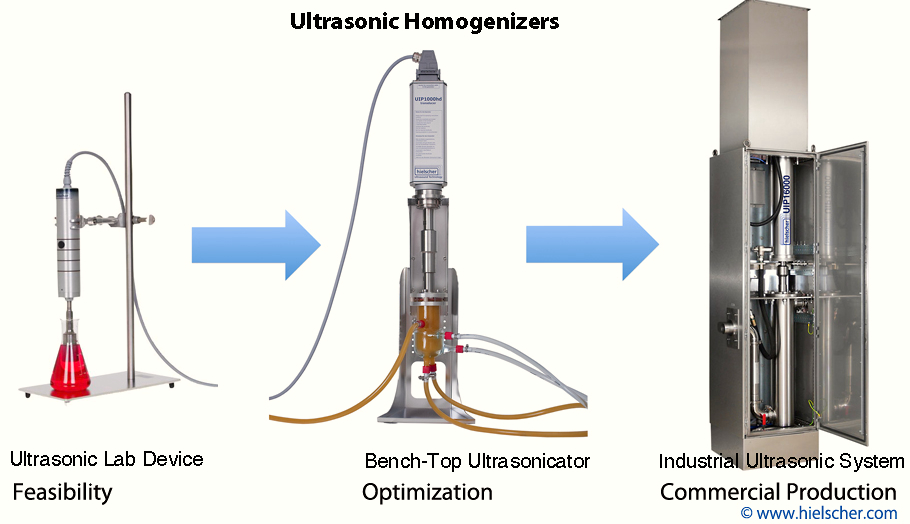
Hielscher Ultrasonics produce omogenizatoare cu ultrasunete de înaltă performanță de la Laborator spre dimensiunea industrială.