تفاعل ساباتييه بمساعدة الموجات فوق الصوتية: تحويل فعال لثاني أكسيد الكربون إلى هيدروكربونات
توفر الموجات فوق الصوتية عالية الطاقة طريقة مبتكرة لتكثيف تفاعل ساباتييه من خلال تعزيز هدرجة ثاني أكسيد الكربون عن طريق التجويف الصوتي. وهذا يتيح التحويل الفعال لثاني أكسيد الكربون إلى الميثان والهيدروكربونات الأعلى في ظروف معتدلة، مثل درجة الحرارة والضغط المحيطين. ونتيجةً لذلك، يمثل تحويل ثاني أكسيد الكربون بمساعدة الموجات فوق الصوتية نهجًا واعدًا لإنتاج الوقود المستدام، واستخدام الكربون، وتخزين الطاقة المتجددة.
الموجات فوق الصوتية القوية تفتح آفاقاً جديدة لاستخدام ثاني أكسيد الكربون
أصبح تحويل ثاني أكسيد الكربون إلى هيدروكربونات قيّمة أحد أهم التحديات التكنولوجية في مسيرة الانتقال نحو اقتصاد الكربون الدائري. وبدلاً من التعامل مع ثاني أكسيد الكربون باعتباره مجرد مشكلة انبعاثات، تتجه العمليات الكيميائية المتطورة بشكل متزايد إلى استخدامه كمواد أولية كربونية لإنتاج الوقود الاصطناعي والميثان والإيثيلين والإيثان ومركبات أخرى غنية بالطاقة.
ومن الطرق الواعدة بشكل خاص تفاعل ساباتييه المدعوم بالموجات فوق الصوتية، والمعروف أيضًا باسم عملية سونو-ساباتييه. فمن خلال تطبيق الموجات فوق الصوتية عالية الطاقة على الوسائط السائلة المحتوية على ثاني أكسيد الكربون، يمكن تكثيف بيئة التفاعل دون الاعتماد حصريًّا على الأنظمة التحفيزية التقليدية التي تعتمد على درجات الحرارة العالية والضغط العالي.
تصف تفاعل ساباتييه الكلاسيكي عملية هدرجة ثاني أكسيد الكربون إلى ميثان وماء. وقد أصبح هذا التفاعل محط اهتمام متجدد بسبب أهميته في مجالات تحويل الطاقة إلى غاز، وإنتاج الغاز الطبيعي الاصطناعي، وتخزين الطاقة المتجددة، وحتى في التطبيقات الفضائية.

سونيكاتور UIP2000hdT يزيد من انتقال الكتلة ويكثف التفاعلات الكيميائية
لماذا يعتبر المعالجة بالموجات فوق الصوتية عاملاً مهمًا في تحويل ثاني أكسيد الكربون؟
تعمل المعالجة بالموجات فوق الصوتية على إدخال الطاقة إلى السوائل من خلال ظاهرة التجويف الصوتي. وأثناء حدوث التجويف الصوتي، تتشكل فقاعات مجهرية، ثم تنمو وتنهار بعنف. وتولد حالات الانهيار الموضعية هذه بيئات محلية متطرفة تتسم بدرجات حرارة عابرة عالية جدًّا، وضغوط شديدة، واضطرابات، وتكوُّن الجذور الحرة، في حين يمكن أن يظل الجزء الأكبر من السائل في ظروف معتدلة نسبيًّا.
في سياق خفض انبعاثات ثاني أكسيد الكربون، يعني هذا أن الموجات فوق الصوتية القوية يمكنها تنشيط مسارات كيميائية يصعب تحقيقها في الظروف المحيطة العادية. وقد أظهرت الأبحاث التجريبية حول تحويل ثاني أكسيد الكربون كيميائيًا بالموجات فوق الصوتية أن الموجات فوق الصوتية المطبقة على الماء المشبع بثاني أكسيد الكربون، ومحلول كلوريد الصوديوم، ومياه البحر الاصطناعية، يمكن أن تنتج هيدروكربونات مثل الميثان والإيثيلين والإيثان، إلى جانب كميات كبيرة من أول أكسيد الكربون الذي يمكن تحويله لاحقًا إلى ميثان.
ويكتسب هذا الأمر أهمية صناعية لأنه يشير إلى استراتيجية لتكثيف العمليات: فبدلاً من الاكتفاء بزيادة درجة الحرارة أو الضغط أو تعقيد المُحفِّز، يمكن للموجات فوق الصوتية تحسين ظروف التفاعل من خلال إدخال الطاقة الفيزيائية.
المزايا الرئيسية لتفاعل ساباتييه المدعوم بالموجات فوق الصوتية
تتميز عملية «سونو-ساباتييه» بعدة مزايا تجعلها خيارًا جذابًا للغاية لتقنيات الاستفادة من ثاني أكسيد الكربون في المستقبل:
- ظروف التشغيل المعتدلة: يمكن للموجات فوق الصوتية عالية الطاقة أن تتيح تحويل ثاني أكسيد الكربون في درجة حرارة الغرفة والضغط الجوي، مما يقلل من الحاجة إلى العمليات الحرارية التي تستهلك طاقة كبيرة.
- إمكانية حدوث تفاعل بدون محفز: أظهرت الدراسات المتعلقة بتحويل ثاني أكسيد الكربون بالطريقة الصوت-كيميائية أنه يمكن تكوين الهيدروكربونات تحت تأثير الموجات فوق الصوتية حتى بدون استخدام المحفزات التقليدية، مما يبسط تصميم العملية ويقلل التكاليف المرتبطة بالمحفزات.
- تكوين الهيدروكربونات القيّمة: يُعد الميثان المنتج المستهدف الرئيسي، ولكن يمكن أيضًا إنتاج الإيثيلين والإيثان، مما يوسع نطاق سلسلة القيمة المحتملة لتتجاوز الغاز الطبيعي الاصطناعي.
- التكامل مع الهيدروجين: يمكن أن يؤدي استبدال الغلاف الجوي من الغاز الخامل بالهيدروجين الجزيئي إلى تحسين عملية سونو-ساباتييه بشكل كبير، مما يزيد من توافر الهيدروجين لعمليات هدرجة ثاني أكسيد الكربون وتحويله إلى ميثان.
- الاقتران المحتمل مع تفاعل التحويل العكسي للغاز المائي: يشير تكوّن أول أكسيد الكربون إلى احتمال حدوث تفاعلات التحويل العكسي للغاز المائي تحت تأثير الموجات فوق الصوتية. ومن ثم، يمكن أن يعمل أول أكسيد الكربون كوسيط في عملية هدرجة لاحقة لتكوين الميثان أو هيدروكربونات أعلى.
- المسارات المحتملة من نوع فيشر-تروبش: في الأنظمة الغنية بالهيدروجين، قد يشارك أول أكسيد الكربون والهيدروجين في تفاعلات كيميائية من نوع فيشر-تروبش، مما يدعم تكوين هيدروكربونات أعلى مثل الإيثيلين والإيثان. وتُعرف التفاعلات الكيميائية التقليدية من نوع فيشر-تروبش على نطاق واسع بأنها مسار لتحويل الغاز التخليقي المكون من أول أكسيد الكربون والهيدروجين (CO/H₂) إلى هيدروكربونات.
- تحسن المحصول في البيئات المالحة: يمكن أن يؤدي ارتفاع نسبة الملوحة، كما هو الحال في مياه البحر أو المياه البحرية الاصطناعية، إلى تعزيز عملية سونو-ساباتييه. وتشير المعلومات المتوفرة إلى أن الظروف المشابهة لمياه البحر يمكن أن تزيد من إنتاجية الهيدروكربونات بنسبة 40٪ تقريبًا.
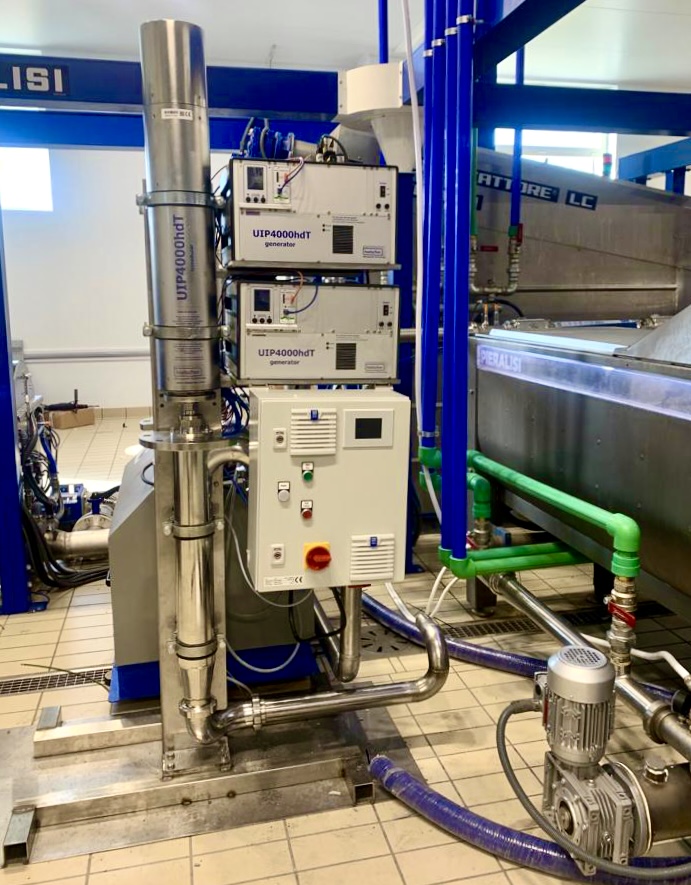
قوة الموجات فوق الصوتية – 2x أجهزة الموجات فوق الصوتية UIP4000hdT مزودة بخلايا تدفق للتشغيل المستمر المباشر
مياه البحر كوسط تفاعل وظيفي
يُعد التأثير الإيجابي للماء المحتوي على الأملاح أحد الجوانب المثيرة للاهتمام بشكل خاص في تفاعل ساباتييه المدعوم بالموجات فوق الصوتية. ففي الماء النقي المشبع بثاني أكسيد الكربون، ومحلول كلوريد الصوديوم، ومياه البحر الاصطناعية، يمكن للموجات فوق الصوتية أن تحفز تحويل ثاني أكسيد الكربون إلى الميثان والإيثيلين والإيثان وأول أكسيد الكربون.
يُعد استخدام المحاليل الملحية عاملاً مهمًا لتحقيق قابلية التوسع الصناعي. فمياه البحر متوفرة بوفرة، ورخيصة الثمن، ومتاحة في جميع أنحاء العالم. وإذا تمكنت الوسائط الملحية من تحسين تكوين الهيدروكربونات، فقد تصبح هذه العملية جذابة بشكل خاص للمواقع الصناعية الساحلية، ومراكز الطاقة المتجددة البحرية، وأنظمة احتجاز الكربون واستخدامه الواقعة بالقرب من موارد مياه البحر.
من الناحية العملية، يعني هذا أنه يمكن دراسة عملية سونو-ساباتييه كجزء من أنظمة متكاملة تجمع بين:
- ثاني أكسيد الكربون المستخرج من تيارات العادم الصناعية أو عن طريق الاستخلاص المباشر من الهواء،
- الهيدروجين المتجدد الناتج عن التحليل الكهربائي،
- مياه البحر أو المحلول الملحي كوسط للتفاعل،
- الموجات فوق الصوتية القوية باعتبارها تقنية لتكثيف العمليات،
- فصل الغاز في المرحلة النهائية وتحسين جودة الهيدروكربونات.
الأهمية الصناعية: تحويل ثاني أكسيد الكربون إلى وقود اصطناعي ومواد أولية كيميائية
إن التحويل الفعال لثاني أكسيد الكربون إلى هيدروكربونات ليس مجرد هدف مختبري فحسب، بل إنه يرتبط ارتباطًا مباشرًا بمستقبل الوقود المتجدد، والغاز الطبيعي الاصطناعي، وصناعة المواد الكيميائية، وتخزين الطاقة.
يمكن استخدام الميثان المنتج من ثاني أكسيد الكربون والهيدروجين المتجدد كغاز طبيعي اصطناعي. وتتمثل إحدى مزايا الميثان الاصطناعي في إمكانية استخدامه للبنية التحتية الحالية للغاز، بما في ذلك منشآت التخزين وخطوط الأنابيب والمعدات الصناعية التي تعمل بالغاز.
ويضفي الإيثيلين والإيثان مزيدًا من الأهمية الصناعية. فالإيثيلين هو أحد أهم المواد الكيميائية الأساسية في صناعة البتروكيماويات، في حين يمكن استخدام الإيثان كوقود أو كمواد أولية لعملية التكسير بالبخار. ولذلك، فإن العملية الصوت-كيميائية التي لا تنتج الميثان فحسب، بل تنتج أيضًا الهيدروكربونات C₂، يمكن أن تصبح ذات قيمة كبيرة في كل من إنتاج الوقود والتخليق الكيميائي.
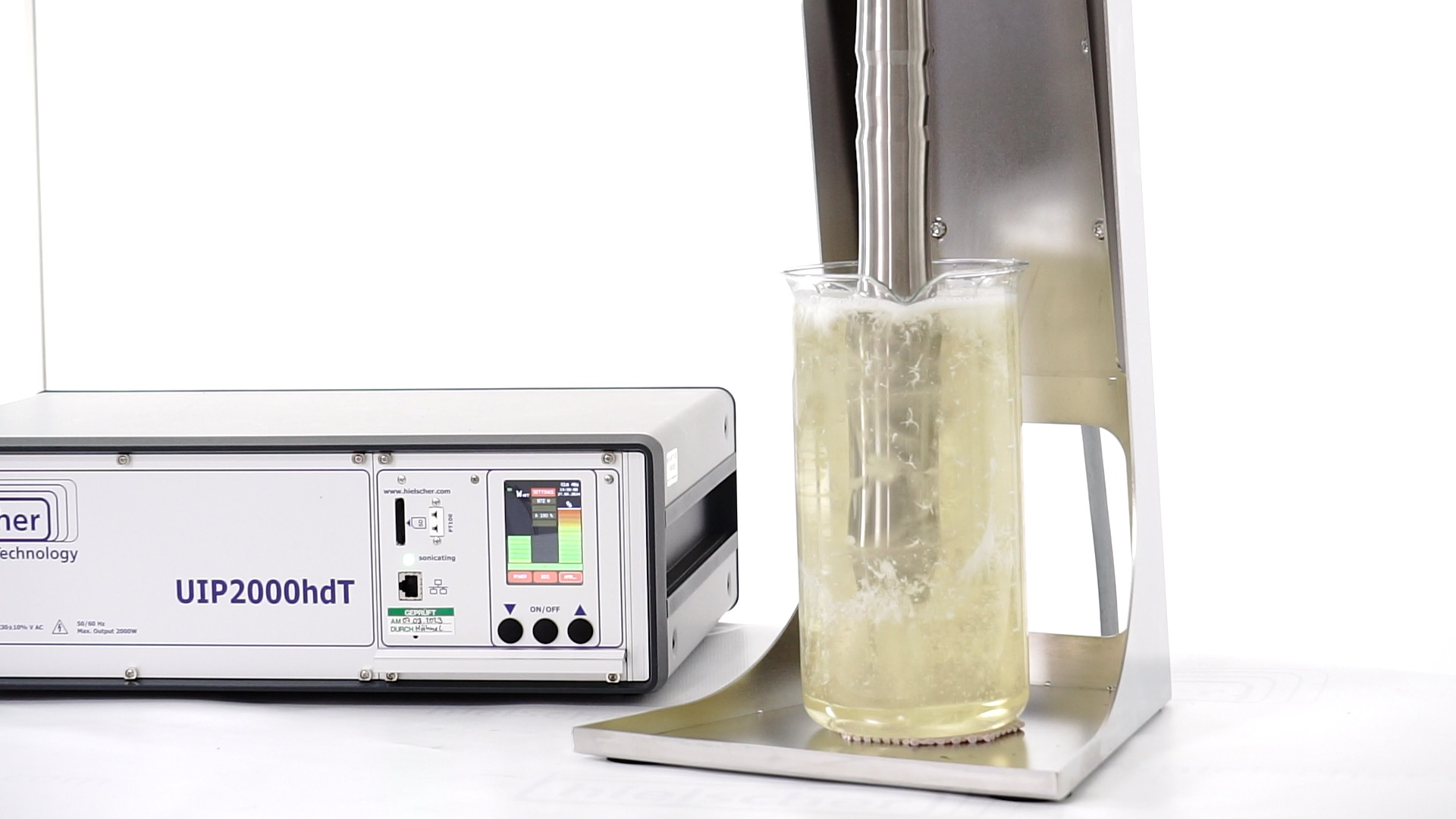
التجويف الصوتي في جهاز Sonicator UIP2000hdT
تعتبر تفاعل ساباتييه المدعوم بالموجات فوق الصوتية ذا أهمية خاصة للقطاعات التي تحتاج إلى جزيئات كربونية، لكنها تسعى إلى تقليل اعتمادها على الكربون الأحفوري. ومن بين هذه القطاعات:
- تحويل الطاقة إلى غاز وإنتاج الميثان من مصادر متجددة،
- احتجاز الكربون واستخدامه،
- تصنيع الوقود الاصطناعي،
- إنتاج المواد الكيميائية الصديقة للبيئة،
- العمليات الصناعية البحرية والساحلية،
- توليد الوقود اللامركزي،
- البنية التحتية لاقتصاد الهيدروجين.

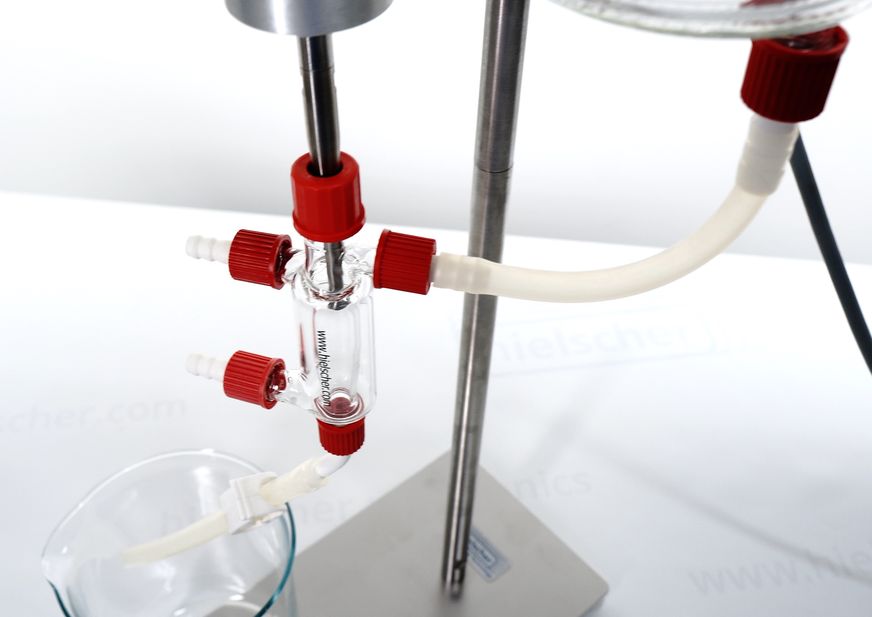
سونياتور UIP2000hdT مع مفاعل خلية التدفق القابل للضغط
كيف تساهم الموجات فوق الصوتية في تحسين كفاءة العمليات
لا تكمن الفائدة الرئيسية للموجات فوق الصوتية في أنها تحل محل الكيمياء، بل في أنها تعززها. ففي الأنظمة الكيميائية الصوتية، يعمل التكهف على تحسين انتقال الكتلة، والتلامس بين الغاز والسائل، وكثافة الطاقة المحلية. وهذا أمر بالغ الأهمية في عملية هدرجة ثاني أكسيد الكربون، لأن العملية تنطوي على غازات ذات قابلية ذوبان محدودة في الوسائط المائية.
تساعد الموجات فوق الصوتية عالية الطاقة في التغلب على العديد من العقبات:
- وهو يعزز انتشار ثاني أكسيد الكربون والهيدروجين في الطور السائل.
- وهو يزيد من المساحة السطحية بين فقاعات الغاز ووسط التفاعل.
- وهو يخلق مناطق محلية عالية الطاقة حيث يصبح تنشيط ثاني أكسيد الكربون أكثر ملاءمة.
- وهو يعزز تكوين الجذور والجزيئات المتوسطة.
- وقد يدعم هذا العملية تفاعلات متتالية مثل تكوين أول أكسيد الكربون وتحويله إلى ميثان.
هذا المزيج يجعل المعالجة بالموجات فوق الصوتية خيارًا جذابًا لتصاميم المفاعلات المدمجة والمكثفة، لا سيما في الحالات التي تكون فيها المفاعلات الحرارية التقليدية مستهلكة للطاقة بشكل مفرط، أو بطيئة للغاية، أو تعتمد بشكل مفرط على مواد محفزة باهظة الثمن.
جسر بين عملية تحويل ثاني أكسيد الكربون إلى ميثان وتخليق الهيدروكربونات
تُعد عملية «سونو-ساباتييه» مثيرة للاهتمام بشكل خاص لأنها قد تربط بين عدة أنواع مهمة من التفاعلات. والهدف الأساسي هو تحويل ثاني أكسيد الكربون إلى ميثان، لكن تكوّن أول أكسيد الكربون يشير إلى وجود مساهمة من عملية التحويل العكسي للغاز المائي. في البيئات الغنية بالهيدروجين، يمكن أن يشبه خليط ثاني أكسيد الكربون والهيدروجين الناتج الغاز التخليقي (syngas)، الذي يُعد أساسًا لتخليق الهيدروكربونات وفقًا لطريقة فيشر-تروبش.
اقرأ المزيد عن التخليق بالموجات فوق الصوتية لمحفزات فيشر-تروبش!
وهذا يفتح الباب أمام مجموعة أوسع من المنتجات. فبدلاً من النظر إلى تحويل ثاني أكسيد الكربون على أنه يقتصر على إنتاج الميثان فقط، يمكن أن تدعم المعالجة بالموجات فوق الصوتية تكوين هيدروكربونات C₁ وC₂، وربما — مع مزيد من تحسين العملية — منتجات كربونية ذات قيمة أعلى.
المعالجة بالموجات فوق الصوتية كوسيلة لتكثيف العمليات في مجال الاستفادة من ثاني أكسيد الكربون
 لا تزال تفاعل «ساباتييه» المدعوم بالموجات فوق الصوتية تقنية ناشئة، لكن مزاياها واضحة. فهو يوفر طريقة لتحويل ثاني أكسيد الكربون إلى هيدروكربونات مفيدة في ظروف معتدلة، ويمكنه الاستفادة من التشغيل الغني بالهيدروجين، وقد يحقق عوائد أعلى في الوسائط المالحة مثل مياه البحر.
بالنسبة للصناعة، فإن القيمة المضافة لهذه التقنية كبيرة: حيث يمكن تحويل ثاني أكسيد الكربون من مادة نفايات إلى مادة خام لإنتاج الميثان والهيدروكربونات الأخرى. وعندما يتم تشغيلها بالكهرباء المتجددة وبالاقتران مع الهيدروجين الأخضر، يمكن أن تسهم عملية «سونو-ساباتييه» في إنتاج الوقود المستدام، وإعادة تدوير الكربون، وتخزين الطاقة على المدى الطويل.

مالتي سونو مفاعل – مفاعل تدفق صناعي يعمل بالموجات فوق الصوتية
أجهزة صوتية قوية لتعزيز تفاعل ساباتييه
يمثل تفاعل «ساباتييه» المدعوم بالموجات فوق الصوتية نهجًا مبتكرًا لتخفيض ثاني أكسيد الكربون وتخليق الهيدروكربونات. فمن خلال استخدام الموجات فوق الصوتية عالية الطاقة، يمكن تنشيط الماء المشبع بثاني أكسيد الكربون والمحاليل الملحية في ظروف معتدلة، مما يؤدي إلى إنتاج الميثان والإيثيلين والإيثان ومركبات وسيطة من أول أكسيد الكربون. وتؤدي إضافة الهيدروجين الجزيئي إلى تعزيز العملية بشكل كبير، في حين أن زيادة محتوى الملح يمكن أن تحسن إنتاجية الهيدروكربونات بشكل أكبر.
في الوقت الذي تبحث فيه الصناعات عن طرق قابلة للتوسع لتحويل ثاني أكسيد الكربون إلى وقود ومواد أولية كيميائية، يُعد المعالجة بالموجات فوق الصوتية مسارًا واعدًا. فهي تجمع بين تكثيف العملية، وظروف التفاعل المعتدلة، والتوافق مع الهيدروجين المتجدد – ثلاث ميزات قد تجعل عملية «سونو-ساباتييه» تقنية مهمة لاستخدام الكربون في المستقبل.
كيفية اختيار أفضل جهاز سونيكاتور لمفاعل كيميائي!
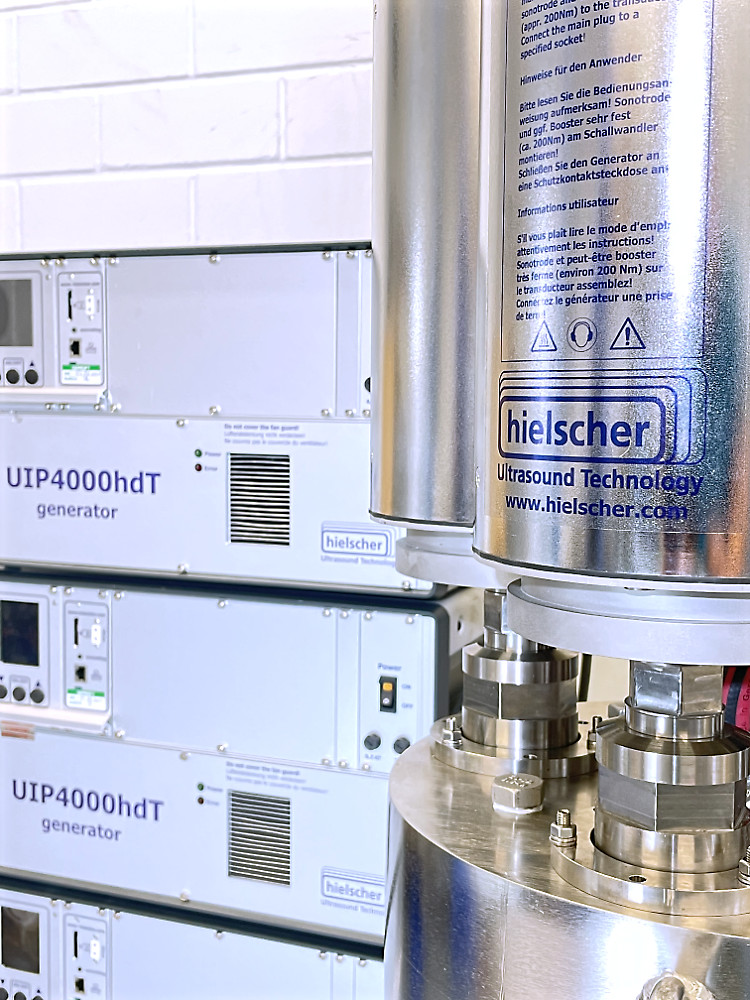 توفر أجهزة الموجات فوق الصوتية وخلايا التدفق بالموجات فوق الصوتية من شركة «هيلشر» منصة قوية لتكثيف تفاعل ساباتييه من خلال توجيه الموجات فوق الصوتية عالية الطاقة مباشرةً إلى تيارات السوائل أو الملاط المحتوية على ثاني أكسيد الكربون والهيدروجين. في عملية سونو-ساباتييه، تعمل خلية التدفق بالموجات فوق الصوتية كمنطقة تجويف خاضعة للتحكم، حيث يتم تعزيز تشتت الغاز، ونقل الكتلة بين الأسطح، وترطيب المحفز، وتنشيط التفاعل المحلي بشكل كبير. وهذا يجعل أنظمة Hielscher فوق الصوتية مناسبة للدمج في مفاعلات قاع الملاط، حيث يمكن تعريض جزيئات المحفز العالقة باستمرار للتجويف المكثف، وكذلك في مفاهيم مفاعلات القاع المميعة، حيث يمكن للموجات فوق الصوتية دعم التلامس بين الغاز والسائل والصلب، والخلط، وحركيات التفاعل. بدلاً من ذلك، يمكن تركيب خلايا التدفق بالموجات فوق الصوتية قبل مفاعلات الأغشية لتشتيت ثاني أكسيد الكربون والهيدروجين مسبقًا، أو تنشيط وسط التفاعل، أو توليد مواد وسيطة تفاعلية، أو تحسين تجانس التغذية قبل الجرعات الانتقائية للهيدروجين، أو فصل المنتج، أو تغيير التوازن في مرحلة الغشاء. وبالتالي، يمكن لأجهزة الموجات فوق الصوتية من Hielscher أن تعمل كوحدات معيارية لتكثيف العمليات من أجل التطوير المختبري، والتحسين على نطاق تجريبي، والتحويل الصناعي لثاني أكسيد الكربون إلى هيدروكربونات.
يمنحك الجدول أدناه مؤشرا على قدرة المعالجة التقريبية لأجهزة الموجات فوق الصوتية لدينا:
| حجم الدفعة | معدل التدفق | الأجهزة الموصى بها |
|---|---|---|
| 10 إلى 2000 مل | 20 إلى 400 مل / دقيقة | UP200Ht, UP400St |
| 0.1 إلى 20 لتر | 0.2 إلى 4 لتر / دقيقة | UIP2000hdT |
| 10 إلى 100 لتر | 2 إلى 10 لتر / دقيقة | UIP4000hdT |
| 15 إلى 150 لتر | 3 إلى 15 لتر / دقيقة | UIP6000hdT |
| ن.أ. | 10 إلى 100 لتر / دقيقة | UIP16000hdT |
| ن.أ. | أكبر | مجموعة من UIP16000hdT |
التصميم والتصنيع والاستشارات – جودة صنع في ألمانيا
Hielscher الموجات فوق الصوتية معروفة جيدا لأعلى معايير الجودة والتصميم. المتانة والتشغيل السهل تسمح بالتكامل السلس للموجات فوق الصوتية لدينا في المنشآت الصناعية. يتم التعامل بسهولة مع الظروف القاسية والبيئات الصعبة بواسطة الموجات فوق الصوتية Hielscher.
Hielscher Ultrasonics هي شركة حاصلة على شهادة الأيزو وتركز بشكل خاص على الموجات فوق الصوتية عالية الأداء التي تتميز بأحدث التقنيات وسهولة الاستخدام. بطبيعة الحال، الموجات فوق الصوتية Hielscher هي CE المتوافقة وتلبية متطلبات UL، وكالة الفضاء الكندية وبنفايات.
أسئلة مكررة
ما هي الهيدروكربونات؟
الهيدروكربونات هي مركبات كيميائية عضوية تتكون حصريًّا من ذرات الكربون والهيدروجين. وهي تشكل الأساس البنيوي للوقود الأحفوري، والعديد من أنواع الوقود الاصطناعي، والعديد من المواد الأولية الكيميائية المستخدمة في الكيمياء العضوية الصناعية.
ما هي أنواع الهيدروكربونات؟
الأنواع الرئيسية للهيدروكربونات هي الهيدروكربونات الأليفاتية، والحلقيّة، والعطرية. وتشمل الهيدروكربونات الأليفاتية الألكانات المشبعة، التي تحتوي فقط على روابط كربون-كربون أحادية، والألكينات والألكينات غير المشبعة، التي تحتوي على روابط مزدوجة أو ثلاثية. تحتوي الهيدروكربونات الحلقية على ذرات كربون مرتبة في هياكل حلقية، بينما تحتوي الهيدروكربونات العطرية على أنظمة حلقات مترافقة مستقرة مثل البنزين. ويمكن أيضًا تصنيف الهيدروكربونات إلى مشبعة أو غير مشبعة اعتمادًا على ما إذا كانت تحتوي على روابط أحادية فقط أم روابط متعددة.
ما هي استخدامات الهيدروكربونات؟
تُستخدم الهيدروكربونات في المقام الأول كوقود، ومواد أولية صناعية، ومذيبات، ومواد تشحيم، وشموع، ومواد خام لصناعة البلاستيك، والبوليمرات، والراتنجات، والمطاط الصناعي، والمنظفات، والمواد الكيميائية المتخصصة. ويُعد كل من الميثان والإيثان والبروبان والبنزين والديزل ووقود الطائرات والإيثيلين والبنزين وشمع البارافين من منتجات الهيدروكربونات ذات الأهمية الصناعية.
لماذا يُعد الموجات فوق الصوتية منخفضة التردد أكثر فعالية في الكيمياء الصوتية؟
تُعد الموجات فوق الصوتية منخفضة التردد أكثر فعالية في مجال الكيمياء الصوتية لأنها تنتج فقاعات تجويف أكبر تنهار بشكل أكثر عنفًا. ويؤدي هذا الانهيار الشديد للفقاعات إلى توليد درجات حرارة عالية موضعية، وضغوط عالية، وموجات صدمية، ونفاثات دقيقة، واضطرابات، وتكوين الجذور الحرة، مما يعزز بشكل كبير التفاعلات الكيميائية، ونقل الكتلة، والتستبيل، وتفتيت الجسيمات، وتنشيط السطح.
ما الفرق بين الموجات فوق الصوتية منخفضة التردد وتلك عالية التردد؟
يكمن الاختلاف الرئيسي بين الموجات فوق الصوتية منخفضة التردد وعالية التردد في شدة وخصائص ظاهرة التجويف. تنتج الموجات فوق الصوتية منخفضة التردد، التي تتراوح عادةً بين 20 و30 كيلوهرتز، ظاهرة تجويف قوية، ولذلك تُستخدم على نطاق واسع في الكيمياء الصوتية، والتشتت، والتستبعيد، والاستخلاص، وإزالة الغازات، والتجانس بالموجات فوق الصوتية. أما الموجات فوق الصوتية عالية التردد فتنتج ظواهر تجويف أصغر حجماً وأقل عنفاً، وهي أكثر ملاءمة للتطبيقات التشخيصية أو التحليلية مثل التصوير الطبي، حيث يُعد انتشار الموجات المتحكم فيه والدقة المكانية العالية أكثر أهمية من تكثيف العمليات الميكانيكية أو الكيميائية.
الأدب / المراجع
- Md Hujjatul Islam, Odne S. Burheim, Jean-Yves Hihn, Bruno.G. Pollet (2021): Sonochemical conversion of CO2 into hydrocarbons: The Sabatier reaction at ambient conditions. Ultrasonics Sonochemistry, Volume 73, 2021.
- Atlaskina, M.; Markin, Z.; Smorodin, K.; Kryuchkov, S.; Tsivkovsky, N.; Petukhov, A.; Atlaskin, A.; Kazarina, O.; Vorotyntsev, A.; Vorotyntsev, I. (2025): Optimized CO2 cycloaddition to epichlorohydrin catalyzed by ionic liquid with microwave and ultrasonic irradiation. International Journal of Technology, vol. 16, no. 2, 2025. 378-394.
- Quang Thang Trinh, Nicholas Golio, Yuran Cheng, Haotian Cha, Kin Un Tai, Lingxi Ouyang, Jun Zhao, Tuan Sang Tran, Tuan-Khoa Nguyen, Jun Zhang, Hongjie An, Zuojun Wei, Francois Jerome, Prince Nana Amaniampong, Nam-Trung Nguyen (2025): Sonochemistry and sonocatalysis: current progress, existing limitations, and future opportunities in green and sustainable chemistry. Green Chemistry, Issue 18, 2025.
- Marina Cortés-Reyes;Ibrahim Azaoum; Sergio Molina-Ramírez; Concepción Herrera; M. Ángeles Larrubia; Luis J. Alemany (2021): NiGa Unsupported Catalyst for CO2 Hydrogenation at Atmospheric Pressure. Tentative Reaction Pathways. Industrial & Engineering Chemistry Research 2021, 60, 51, 18891–18899.

مفاعلات خلايا التدفق بالموجات فوق الصوتية المغلفة والقابلة للضغط من أجل التصفية بالموجات فوق الصوتية
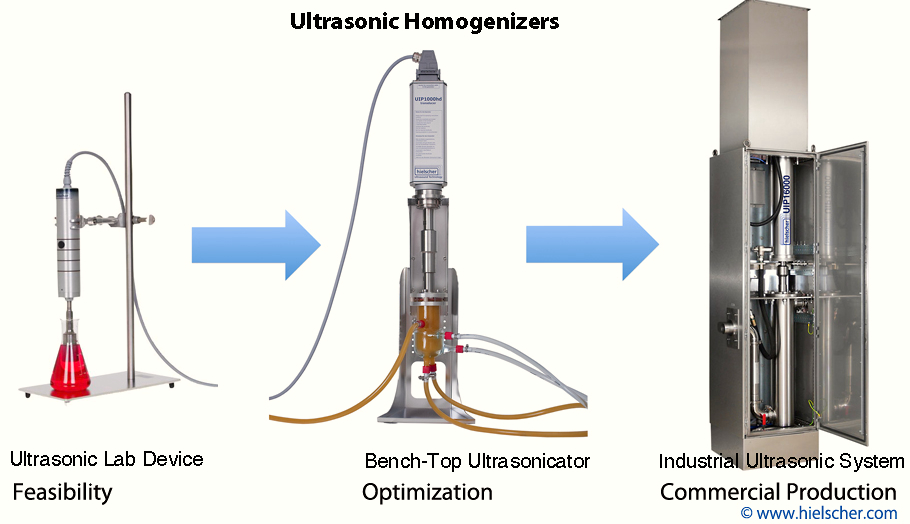
Hielscher الفوق صوتيات بتصنيع الخالط بالموجات فوق الصوتية عالية الأداء من المختبر ل الحجم الصناعي.